



Most people associate “dirty season” with specific times of the year. Spring means mud and pollen. Summer brings dust, and tracked-in sand ushers in more mud, falling leaves, and intense shedding. Winter drags in slush, salt, and indoor dander buildup.
But for pet owners, this seasonal thinking is a myth. For us, “dirty season” is a perpetual state. Our furry companions, bless their hearts, ensure that there’s always a new challenge to our home’s cleanliness, regardless of what the calendar says. Interestingly, a Statista survey (covering multiple countries) shows that fewer than 1 in 6 respondents in each market report owning a domestic robot (vacuum or lawn‑mowing robot), highlighting that most households still rely on manual cleaning methods.
The reality is that every season presents a unique cleaning gauntlet for pet owners. And trying to tackle each new mess with a different manual method is not only exhausting but also incredibly inefficient.
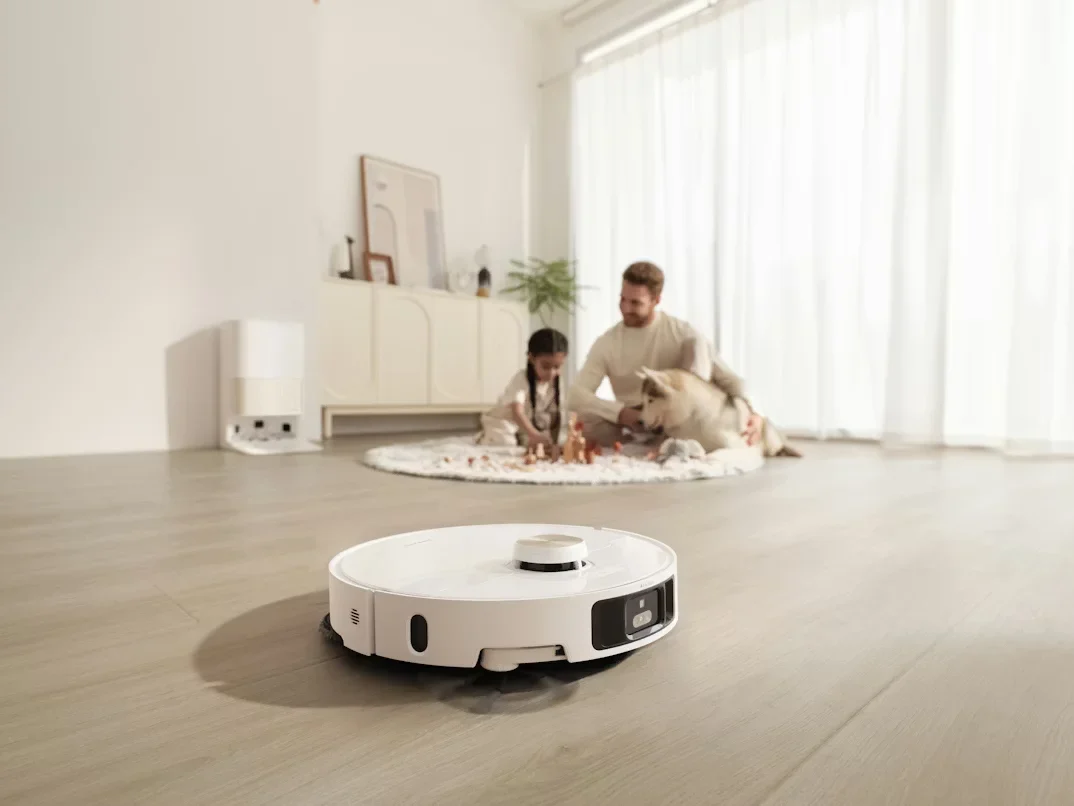
This is where smart, automated cleaning technology ceases to be a luxury and becomes an essential year-round survival tool. It’s the only way to proactively combat the continuous cycle of pet-induced grime, from wet paw prints to invisible dander.
Have questions about this story?
Ask Tundra for more details, context, or updates.
Spring: The Mud and Pollen Invasion
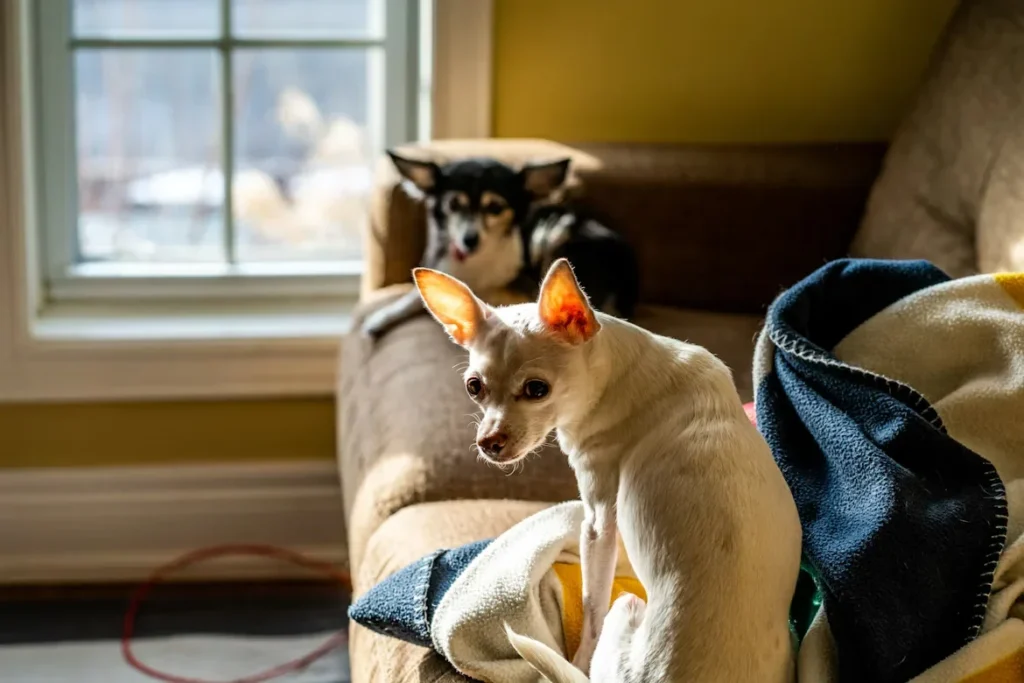
Ah, spring. The season of renewal, blossoming flowers, and… endless mud. Every walk outside means a fresh set of muddy paw prints tracked across your pristine floors. And as the flowers bloom, your pets become unwitting carriers of pollen and outdoor allergens into your home.
● The Challenge: Wet, gritty mud and fine, airborne pollen.
● The Solution: This is prime time for the robot vacuum and mop. The vacuum function first picks up any loose dirt and pollen. Crucially, the mop function then scrubs away the dried mud and sticky pollen residue that settles on hard floors. This dual action is vital for preventing the seasonal “grime layer” from forming.
Summer: Dust, Shedding, and Outdoor Adventures
Longer days mean more outdoor adventures, open windows, and plenty of fresh air flowing through your home, but they also invite in a surprising amount of dust and debris. With pets spending extra time exploring backyards, parks, and sunny patios, they end up tracking in small particles from every surface they touch. Summer is also one of the peak shedding periods for many breeds as they transition into their lighter, warmer-weather coats. The result is a constant mix of fine dust, loose undercoat, and tiny outdoor fragments that settle into every corner of your living space. Before you know it, your floors and carpets can start to resemble a thinly dusted, fur-lined terrain, requiring frequent cleaning to keep up with the buildup. What feels like an energetic, free-spirited season outdoors often turns into an ongoing indoor battle against hair that drifts and persistent dust.
- The Challenge: Fine dust, heavy fur shedding, and tracked-in debris from outdoor play.
- The Solution: You need a robot that excels at removing dry debris. This is where the features of the best robot vacuum for pet hair truly shine. High-Pa suction is critical for pulling embedded fur from carpets and effectively capturing fine dust particles. Tangle-free brush rolls are also essential to handle the increased volume of shed hair without constant manual intervention.
Fall: Leaf Litter, Intensified Shedding, and Pre-Holiday Clean-up
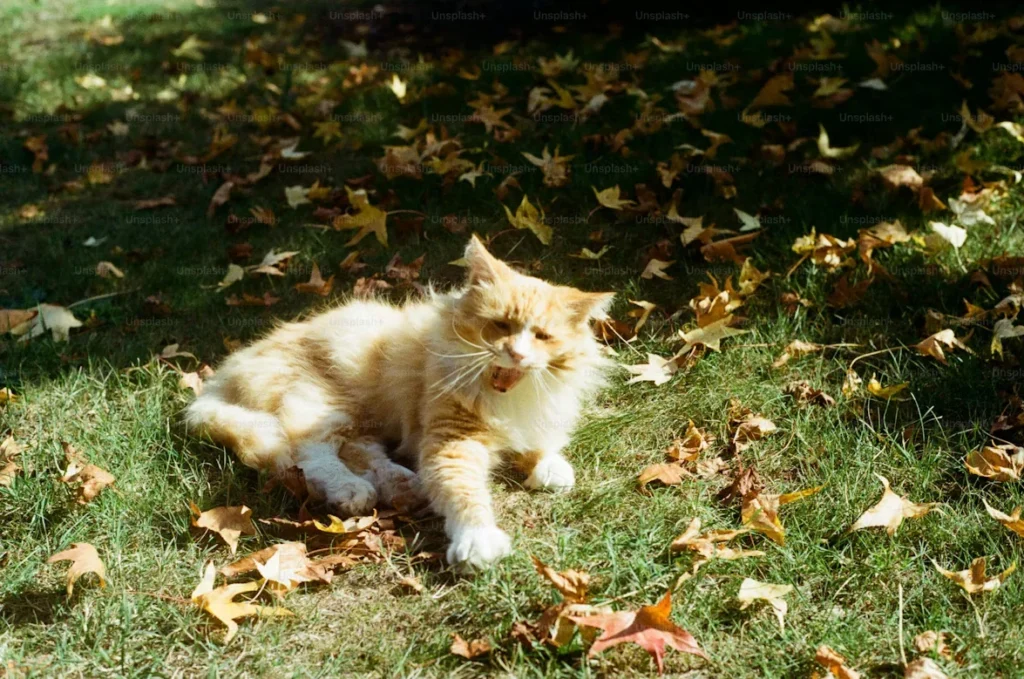
As temperatures drop and trees shed their leaves, your pets bring in more organic debris from outside. This is also a primary shedding season for many breeds as they grow their winter coats, leading to an indoor fur explosion. All of this culminates in the lead-up to the year’s busiest entertaining season.
- The Challenge: Increased fur volume, leaves, twigs, and a desperate need for consistently clean floors before guests arrive.
- The Solution: Again, a powerful vacuum optimized for pet hair is paramount. The ability of a robot vacuum and mop to tackle both the heavy fur (vacuum) and any tracked-in garden debris or wet spots (mop) makes it indispensable. Daily runs can prevent the feeling of being constantly overwhelmed by the build-up.
Winter: Indoor Dander, Salt, and Slush
With windows closed tight against the cold and pets spending far more time indoors, dander and other indoor allergens accumulate much more quickly. The air feels heavier, and surfaces seem to attract a constant layer of fine pet-related particles. Meanwhile, even the briefest outdoor adventure means your pets come back tracking slush, moisture, and tiny crystals of road salt that melt, dry, and settle into a gritty, corrosive residue across your floors. Over time, this mix of dander, salt, and dirty meltwater doesn’t just create a visible mess; it can actually damage flooring, dull surfaces, and contribute to poor air quality during a season when fresh ventilation is limited. Winter, in many ways, becomes the perfect storm of indoor buildup and outdoor grime.
- The Challenge: Concentrated indoor allergens, corrosive salt, and wet, melting slush.
- The Solution: This is a crucial time for thorough, combined cleaning. The mopping function of a robot vacuum and mop is vital for dissolving and removing salt and slush residue before it damages your floors. Simultaneously, the high-efficiency filtration of the best robot vacuum for pet hair will help capture and contain increased indoor dander, improving air quality when ventilation is limited.
The Year-Round Solution: True Automation
Ah, spring. The season of renewal, blossoming flowers, and… endless mud. As the weather warms and the ground begins to thaw, every walk outside turns into a new opportunity for soggy soil to cling to your pet’s paws.
Those charming but chaotic outdoor adventures often end with a fresh trail of muddy prints stretching across your once-pristine floors. And it’s not just the mud spring’s vibrant blooms release waves of pollen that settle onto your pets’ fur, turning them into unwitting carriers of allergens, dust, and fine debris. Before you know it, your home becomes a revolving door of wet paw marks, gritty dirt, and invisible pollen particles that cling to every surface, making spring one of the most deceptively difficult cleaning seasons for pet owners.