





Disclaimer: This content is for general informational purposes only and is not intended as medical advice. For persistent or severe neck pain, consult a qualified healthcare professional.
Neck tension builds quietly. With tons of online work and TikTok, people stare at screens for long hours and keep their shoulders raised without noticing. There’s also that habit of leaning forward, which slowly settles into the body over time. This pattern is more common than many realize. A systematic review found that office workers and computer users report some of the highest incidences of neck pain, with annual rates ranging from 36% to 57.5%.
Many desk workers don’t realize how tight their necks have become until a simple turn of the head feels far heavier than it should. Fortunately, you don’t need invasive surgery to address this kind of tension. Gentle modifications in daily routines, along with greater attention to how the body moves during ordinary moments, are often enough to ease the strain.
Have questions about this story?Ask Tundra for more details, context, or updates.
Letting the Shoulders Drop
People hold their shoulders higher than they think. A quick breath out helps them soften. When the shoulders fall naturally, the neck releases some of the weight it’s carrying. Doing this a few times throughout the day frees up the neck area. It eventually keeps the muscles from staying locked.
Giving the Eyes a Break
Screens pull the head forward inch by inch. Stepping back, blinking slowly, or looking out a window resets the position. The neck lengthens again when the eyes rest. Even a short break helps the muscles unwind.
Keeping the Chair at a Steady Height
A chair that sits too low or too high changes how the spine lines up. When the height feels steady, the back supports the head more evenly. Desk workers notice less strain when their feet rest flat, and their hips sit level. This small adjustment can ease years of pressure.
Moving the Head Gently Through Its Range
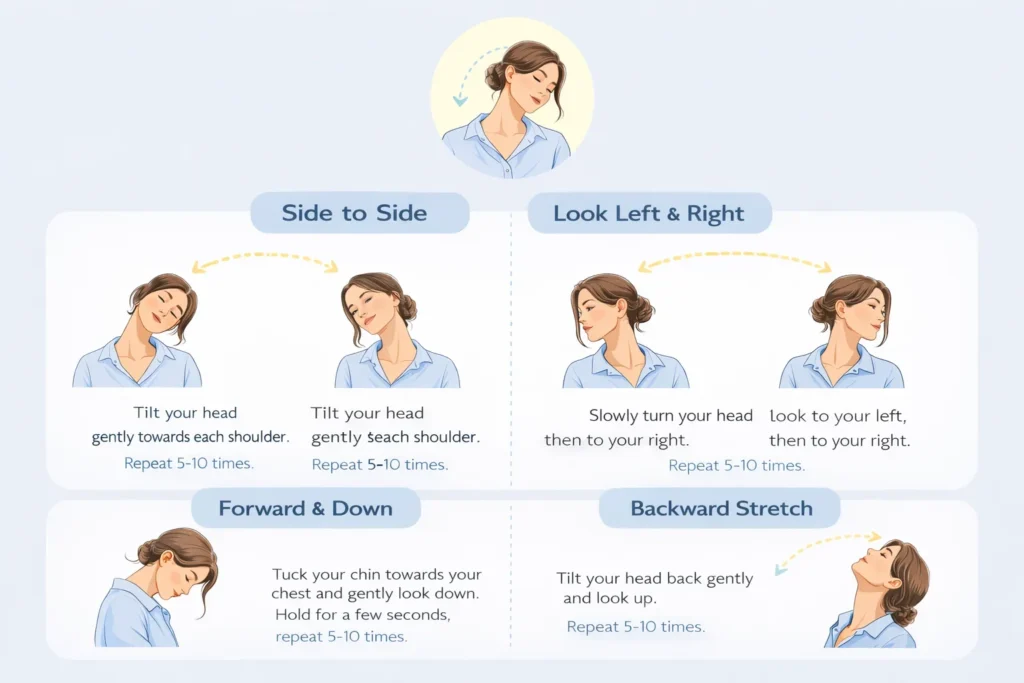
Slow movements help the neck loosen without forcing anything. Try turning the head left and right slowly or tilting it toward each shoulder. These motions bring warmth back into stiff areas. They also remind the body of how it’s meant to move after long hours in one position.
Softening the Jaw
Jaw tension hides inside neck tightness. Relaxing the jaw changes the behavior of the muscles along the side of the face and neck. You can do this by letting the teeth separate slightly, and the tongue rest softly. This light tweak in posture can ease pressure behind the ears and at the base of the skull.
Checking In With a Specialist
Some desk workers carry so much tension that they may need a specialist. Visiting a clinic like Atlanta upper cervical chiropractor gives them a clearer sense of how their alignment has changed over the years. Gentle adjustments help the neck return to a calmer position. This makes daily movements feel easier again. By blending this support with their own routines, they help themselves achieve steady relief.
Also Read: Discover the Benefits of Chiropractic Pain Management
Creating a Small End-of-Day Reset
Evenings hold the tension collected from the day. A warm shower or resting with a soft towel behind the neck helps the muscles settle. You can do simple stretches, too! These quiet moments signal the body to release what it has held on to. Over time, the neck learns not to store as much strain.
Long-term relief comes from noticing how the body behaves during ordinary moments. Desk workers who pay attention will find relief quicker than those who don’t. Paying attention to how they sit and how they hold their head pays a lot of rewards. These gentle habits help them feel more grounded, both at the desk and away from it.