



Rain is part of everyday life in many parts of Washington. From long, misty mornings to sudden downpours, moisture is something every homeowner has to plan for, especially in outdoor living spaces. One of the biggest concerns homeowners face is slippery deck surfaces. A deck may look beautiful, but if it becomes unsafe in wet conditions, it loses much of its value.
The good news is that you can prevent most slipping issues by choosing the right decking texture from the start. Whether you have a small porch or a full wraparound deck, the surface texture plays a significant role in how safe and comfortable your deck feels year-round. Researchers have also found that the texture of a deck makes a big difference in its safety when wet. One study that examined different outdoor surfaces found that smoother boards lose traction much faster in rainy weather. In contrast, grooved or textured surfaces stay grippier because they shed water more easily. This aligns with what many Washington homeowners already notice: the more texture your deck has, the safer it feels underfoot during the rainy season.
Below, we explore the best decking textures for wet climates, what materials perform well, and what Washington homeowners should know before building or upgrading their outdoor space.
Have questions about this story?
Ask Tundra for more details, context, or updates.
Why Deck Texture Matters So Much in Washington
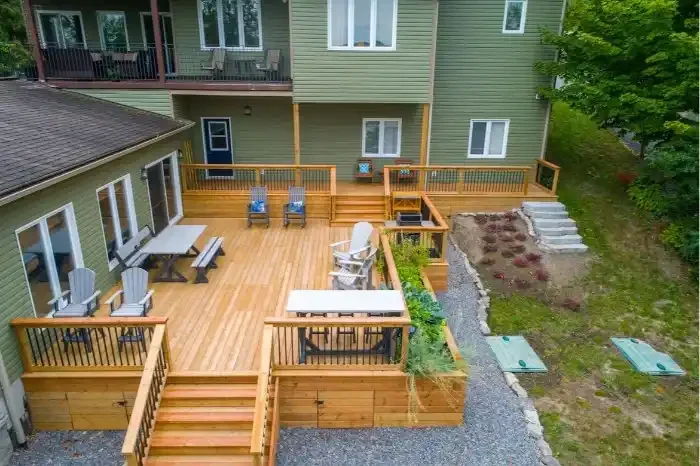
Washington’s climate is unique. It brings a mix of rain, fog, shade, and damp conditions that can make specific deck surfaces slick. Even if you choose a strong, long-lasting material, the texture determines how much grip you’ll get underfoot.
A good texture can:
- Reduce slipping during heavy rain
- Prevent moss and algae from taking over
- Improve traction for kids, pets, and older adults
- Make your deck safer in low-light or shaded areas
This is why many homeowners talk with a deck builder in Washington experienced in wet-weather designs when planning a new project.
Understanding Your Decking Texture Options
Not all decking textures are created equal. Some look smooth but become dangerously slick when wet. Others are explicitly designed to handle rainy climates like Western Washington. Below are the most common decking textures and how they perform in wet conditions.
Smooth Wood Decking: Beautiful but Not the Best for Rain
Traditional wood decking with a smooth finish is standard, but it isn’t the most slip-resistant option. Smooth wood becomes even slicker when moss grows on it, which is common in shaded Washington yards.
Smooth surfaces can cause problems such as:
- Low friction in wet weather
- Water is pooling on the surface
- Slippery spots where mold or algae form
If you prefer wood but want better traction, choosing a wood species with a natural texture or using anti-slip treatments will help.
Grooved Wood Decking: Better Grip and Better Drainage
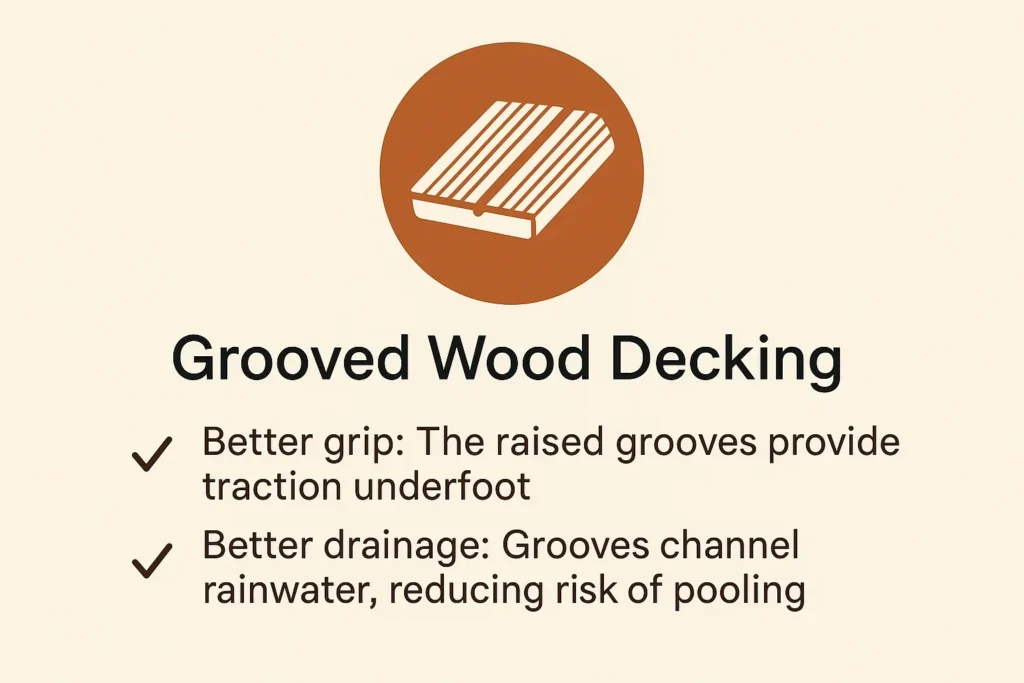
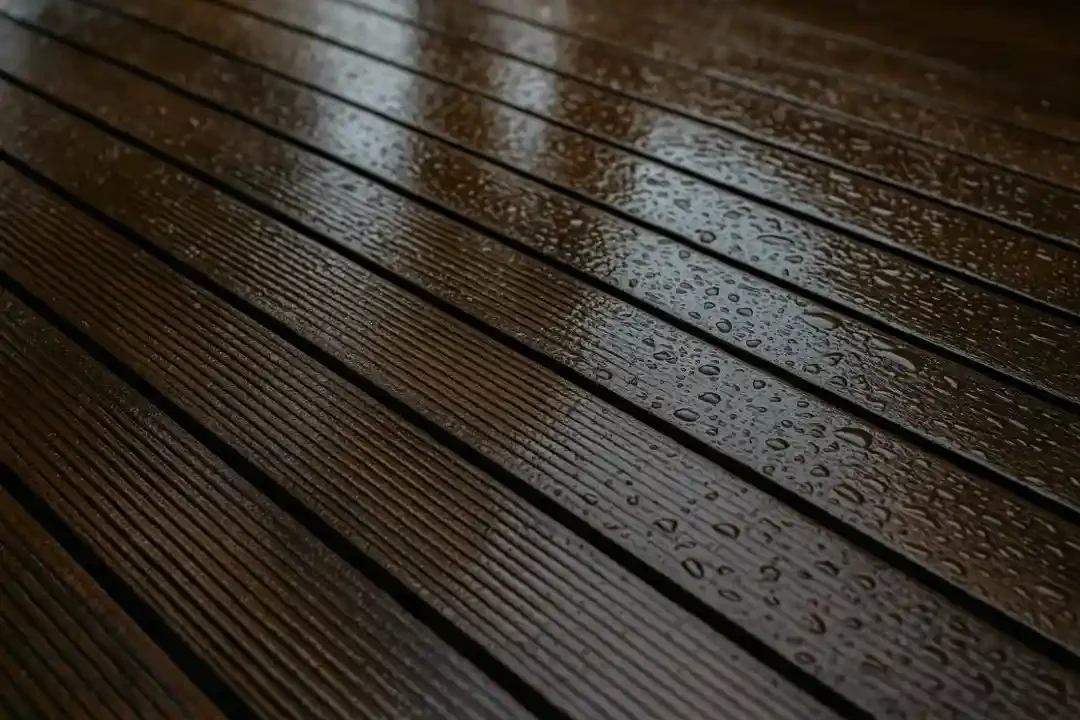
Grooved decking is one of the most effective textures for rainy climates. The grooves help channel water away, reducing puddles and giving your feet something to grip.
Benefits of grooved wood decking:
- Improved slip resistance
- Natural drainage lines
- Less water is sitting on the surface
- More traction for shoes and bare feet
Many homeowners who choose cedar or pressure-treated wood prefer a subtle grooved texture because it balances looks and safety.
Cedar and Redwood: Naturally Textured for Better Traction
Cedar and redwood are popular in Washington because they perform better in damp conditions than most other wood types. They naturally resist moisture and decay, and their grain patterns create subtle texture that improves grip. According to the Forest Products Laboratory (FPL), wood absorbs moisture from the air and the surrounding environment, which affects its stability, shrinkage, and decay susceptibility. Because cedar and redwood handle these moisture changes more effectively than many other species, they remain stable and durable even in Washington’s wet climate.
Also Read: The Most Suitable Wood Types for Fences in Rainy Washington Weather
Why these woods work well in the rain:
- Natural oils resist moisture
- Grain patterns create a non-slip feel
- Less likely to warp in wet conditions
- Ideal for shaded yards prone to moss
However, even naturally textured wood needs regular cleaning and sealing to maintain traction over time.
Textured Composite Decking: Designed for Wet Climates
Composite decking has become one of the best options for wet areas. Many brands offer textured or embossed surfaces that mimic wood grain but deliver superior slip resistance.
Advantages of textured composite:
- Less slippery than smooth wood
- Mold-resistant and low-maintenance
- Consistent traction even during heavy rain
- Won’t splinter or crack over time
Many Washington homeowners choose composite because it handles moisture exceptionally well. The embossed patterns create reliable traction without sacrificing appearance.
When homeowners compare materials, they often check prices and features with a professional deck installation team familiar with composite options to determine what works best for their space.
PVC Decking: One of the Most Slip-Resistant Materials
PVC decking is another excellent choice for preventing slipping. Most PVC boards come with a patterned or embossed surface that provides high traction, and studies on flooring safety show that textured surfaces generally offer better grip than smooth ones which is exactly why PVC decking performs so well in wet conditions.
Why PVC performs well in the rain:
- Moisture-proof and rot-proof
- Very textured top layer
- Excellent grip for rainy days
- Easy to wash and maintain
This material works exceptionally well in shaded or wooded areas where moisture lingers longer.
What Texture Should You Choose for Maximum Safety?
The best choice depends on the deck’s use, layout, and exposure to rain. But the top performers for wet weather tend to be:
1. Embossed composite decking: Best balance of safety, durability, and low maintenance.
2. PVC decking: Most slip-resistant and moisture-proof.
3. Grooved cedar or redwood: Offers natural traction with proper upkeep.
Smooth decking is best reserved for dry areas or homeowners who don’t mind extra maintenance.
Don’t Forget About Anti-Slip Treatments
Texture alone isn’t always enough. Some homeowners add extra anti-slip features to boost safety, especially on stairs or entry points.
Common options include:
Anti-Slip Coatings
Clear or lightly textured coatings can add friction to smooth or aging wood decks.
Textured Stain Products
Some stains include grit to improve traction.
Rubber or Grit Strips
Useful on stairs, ramps, and high-traffic zones.
Outdoor Rugs with Grip
These help in areas prone to puddling or shade. Combining the right texture with these treatments creates maximum protection.
Areas Where Slip-Resistance Matters Most
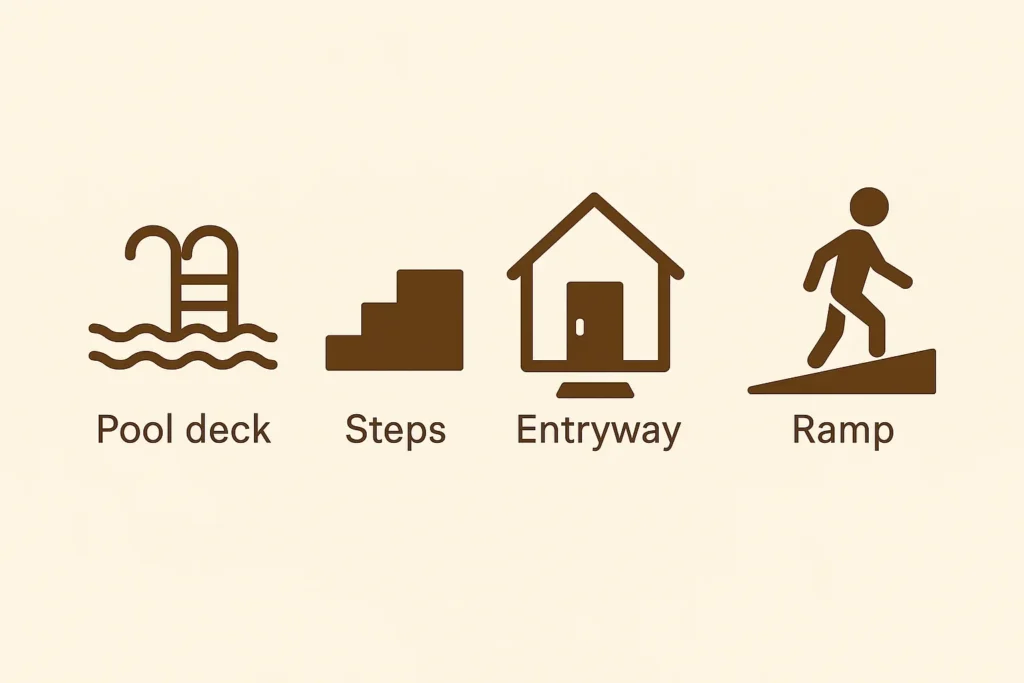
Some parts of a deck require extra traction, especially in rainy climates.
Stairs
These are the most accident-prone areas, so always choose a grippier texture.
Entry Points
Where people walk straight from the yard onto the deck.
Near Doors and High-Traffic Zones
Wet boots, pets, and foot traffic make these areas slippery.
Shaded Areas
Places that never fully dry out often grow moss or algae.
If you’re unsure which parts of your new deck need extra slip protection, a local deck construction specialist who understands Washington’s climate can offer guidance based on your yard layout.
Maintenance Plays a Big Role in Traction
Even the best decking texture can become slippery if it isn’t maintained. Rainy climates create the perfect environment for moss, mold, mildew, and algae.
Here’s what Washington homeowners should do regularly:
- Sweep away leaves and debris
- Wash the deck to remove dirt and algae.
- Trim trees to reduce shade.
- Keep gutters from draining onto the deck.
- Reapply protective coatings as needed.
With consistent maintenance, even older decks stay safe during wet weather.
Final Thoughts
Rain should never stop you from enjoying your outdoor space. By choosing the right decking texture, whether it’s grooved wood, embossed composite, or textured PVC, you can make your deck safer and more comfortable all year long. Washington’s climate may bring plenty of wet days, but with the right materials and proper planning, your deck can stay slip-resistant and ready for everyday use.
Homeowners often get the best results by working with a deck builder who understands moisture-heavy conditions in Washington and can recommend the safest materials for your layout and lifestyle.