




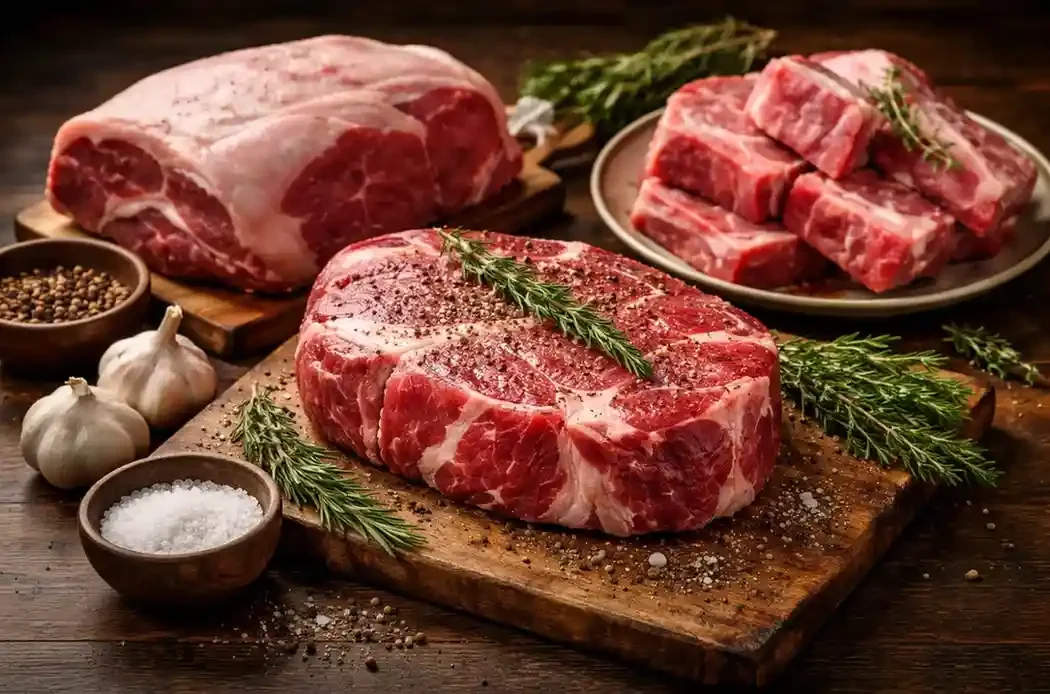
Roasting is one of those kitchen traditions that looks simple from the outside. Put a cut of meat in the oven, then let the heat work its magic. In a few minutes, it’ll fill the house with a slow, rich aroma. Anyone who cooks a lot knows it isn’t that straightforward. A long roast can turn tender meat dry if the wrong cut sits in the pan. Guidance from the USDA explains that extended exposure to heat causes moisture loss in meat, especially when lean cuts are used for long cooking times. Southern cooks learn this early. Moisture and structure decide everything, and the choices made at the butcher counter matter long before the oven door opens.
People who roast trust their eyes and their hands before any recipe. They look at the shape of a cut and how the fat sits. They are also looking at the muscle’s density. Cuts that stay juicy aren’t chosen by accident. They’re chosen because someone understands how heat moves through meat, how the fibers react, and how long cooking changes texture. It’s the kind of knowledge that grows from years of family gatherings and Sunday meals that need to taste right every time.
Have questions about this story?Ask Tundra for more details, context, or updates.
Why Structure Decides Whether a Roast Dries Out
A long roast puts meat through hours of steady heat. Lean cuts struggle in that environment. They start strong, then tighten as moisture escapes. Fatty or bone-in pieces behave differently. They release moisture slowly, keeping the meat around them tender. A roast with good marbling will retain more flavor because the fat melts slowly. It will bathe the meat from the inside.
This is why Southern cooks reach for cuts with thicker layers and visible fat seams. What some people see as extra richness, they see as insurance. Meat science research shows that marbling plays a key role in juiciness and tenderness, helping roasts resist drying even when cooked low and slow. The structure protects the roast from drying even when cooked low and slow.
The Role of Bones in Keeping Meat Tender
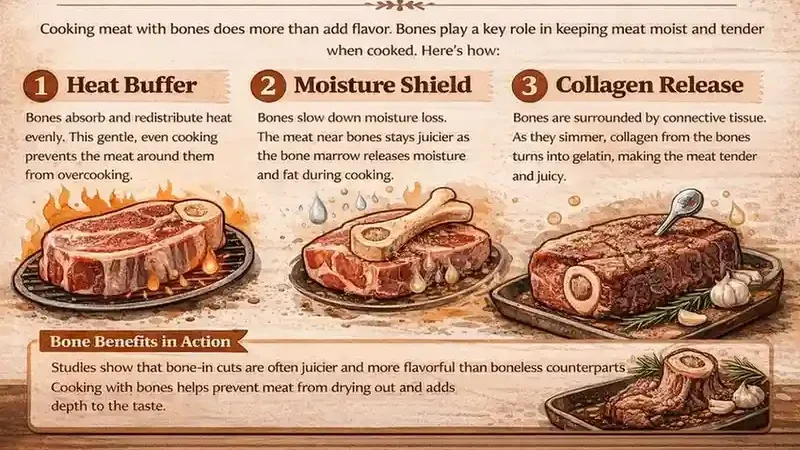
Bones do more than hold the shape. They act like anchors for heat. They warm slowly and release that warmth gradually, helping the roast cook evenly. Anyone who has roasted a whole bird or a full shoulder knows how different the texture becomes near the bone. It stays full of flavor and never feels stringy.
A bone in ham follows the same rule. The center stays moist for hours because the bone keeps the temperature steady. The meat sitting closest to the bone benefits from the slow heat transfer. This is why bone-in cuts taste richer. They don’t need much help beyond seasoning and patience.
Fat Caps and Why They Matter During Slow Roasts
Many home cooks trim fat too aggressively. In Southern kitchens, that’s almost unthinkable. A fat cap on top of a roast becomes a natural shield. As the oven warms, the fat softens and sends flavor downward. It bastes the meat gently while protecting the outer layer from harsh heat.
Trimming lightly instead of deeply makes a noticeable difference. People who cook slow roasts often keep that top layer intact until the very end, then crisp it lightly if they want texture. The fat that melts away brings moisture and depth, especially in longer cooks.
Slow Heat Brings Out Qualities Quick Roasts Can’t
A roast built for long cooking thrives at a lower temperature. Tougher cuts transform under slow heat. Connective tissue softens and turns silky. Marrow near the bone enriches the juices. Cuts that seem heavy become tender enough to fall apart with a fork. This transformation doesn’t happen with fast roasting. The slow process gives complicated muscle groups time to relax.
Cooks who understand this don’t rush. They let the roast settle into its rhythm. The longer timeline improves flavor without demanding constant attention.
Moisture Retention Starts Long Before Cooking Begins
Keeping a roast juicy isn’t just about oven time. It starts with how the meat is prepared. Some families use light brines to add moisture. Others rub with salt the night before to help the fibers open slightly. Resting the meat at room temperature before cooking helps it heat evenly. These small steps make a noticeable impact.
Below are a few habits many Southern cooks keep:
- Choose cuts with visible marbling
- Leave the bone intact when possible
- Keep a soft layer of fat on top
- Let the meat rest before and after roasting
- These tiny choices help the roast stay moist.