




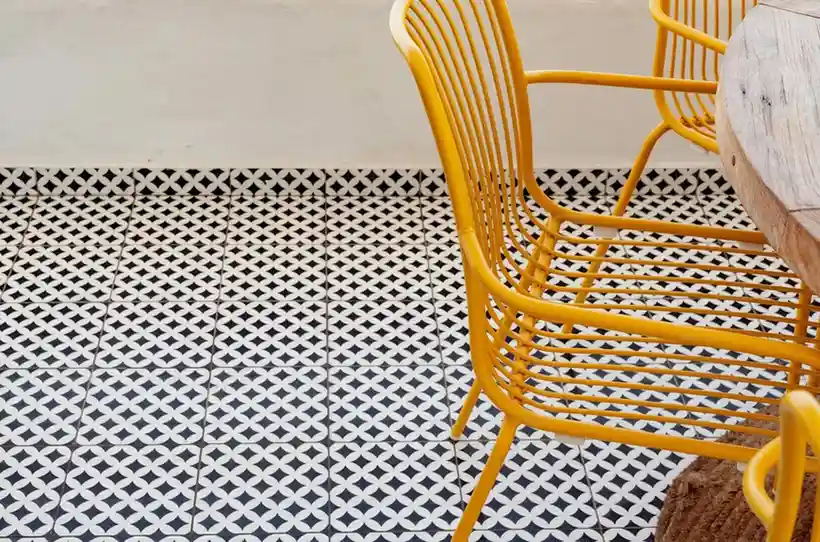
From aesthetic elements that make rooms feel more spacious to surfaces that withstand the toughest treatment, the right tile can take any space from average to attractive. Because tiles are an investment for your home or office, making thoughtful choices means using common sense. In this article, you will learn tips for finding tiles that offer beauty, strength, and utility for any project.
Have questions about this story?Ask Tundra for more details, context, or updates.
1. Consider the Purpose of the Space
Before selecting tiles, consider where they will be installed and how the space will be used. Different rooms have different demands, and tiles should be chosen accordingly. High-traffic areas such as hallways, kitchens, and commercial spaces require tiles that can handle constant foot traffic without cracking, chipping, or showing excessive wear.
Moisture and slip resistance are also important in these areas, as well as in kitchens. Textured or matte-finish tiles can also reduce the risk of slipping in water-prone areas. When it comes to outdoor patios and balconies, the tiles must be durable enough to withstand fluctuating temperatures, moisture from rain or snow, and several hours of sunlight per day.
When you select tiles by function, they are not only safe but also outperform and outlast the rest. It will also extend the life of your water heater, preventing costly repairs or replacements.
2. Focus on Material Quality
The material your tile is made of ultimately affects its lifespan and how well it performs in your home. Ceramic, Porcelain, and Natural Stone are among the most common choices, each with its own pros.
Ceramic tiles are budget-friendly and can be used for walls or low-traffic floors. Porcelain tiles are heavier, more water-resistant (less porous), and a great choice for high-traffic or outdoor areas. Tiles made from natural stone, such as marble, granite, and slate, provide a luxurious appearance but can be high-maintenance.
Premium materials are stain-, scratch-, and fade-resistant, even with everyday use. With a well-made tile, you can be certain that the finish and structural integrity will last for years to come. Lower-cost tiles may seem attractive at first, but they wear down quickly and must be replaced frequently.
3. Match Colour and Style to Your Design
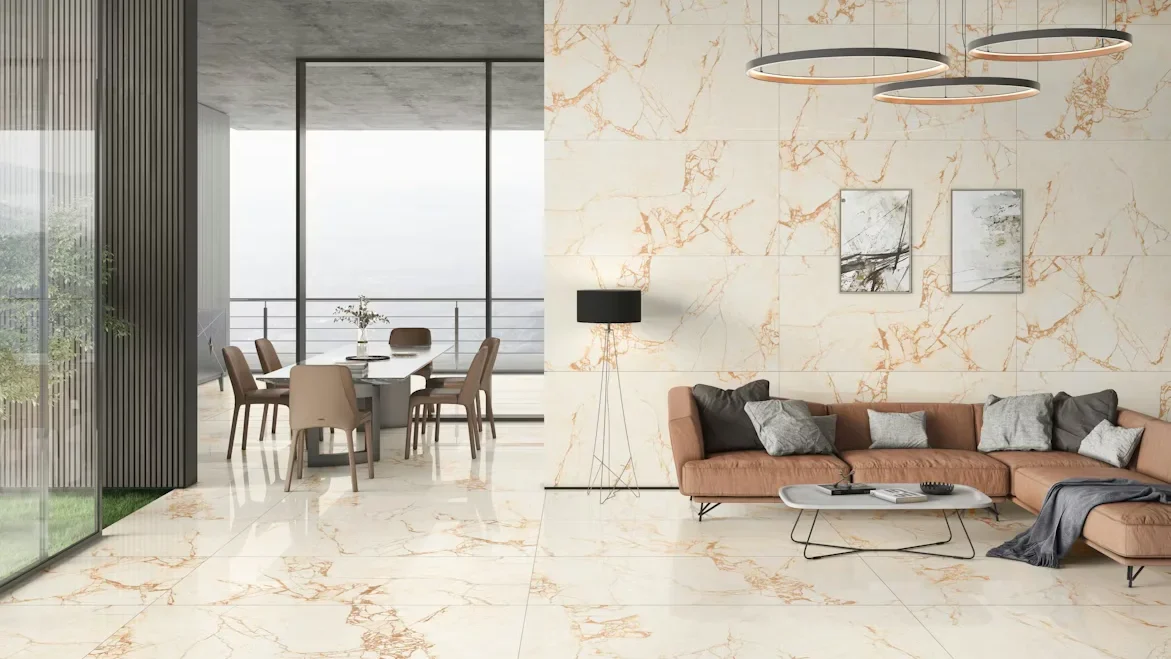
Color, print, and texture all play an important role in setting the overall tone of a room. White and light-colored tiles can make even the smallest spaces feel larger and brighter, while darker hues add warmth and depth. Neutral patterns offer versatility for blending your home décor while keeping the design fresh and up to date.
Add in patterns and textures to create character while keeping it visually interesting. But they must not fight the design; they must work with it. Glossy finishes reflect light and add an elegant touch to the design, whereas matte finishes offer a less flashy, contemporary look and show fewer smudges.
If they match your interior’s style, a tiled floor provides a harmonious, level, and unbroken surface. When the tiles marry so well with your chosen furniture, wall colours, and lighting, it is these simple details that make a room feel well considered and inviting.
Also Read: Colorful Mosaic Backsplash Ideas to Elevate Your Kitchen Design
4. Check for Durability Ratings
Tiles are often tested and rated for strength and suitability in specific environments. These ratings provide valuable insight into how well a tile will perform under different conditions. Abrasion resistance indicates how well a tile withstands wear, while water absorption ratings reveal its suitability for wet areas.
For outdoor use, frost resistance and weather durability are essential to prevent cracking and surface damage. Floor tiles should have higher durability ratings than wall tiles because they endure greater stress.
Reviewing these technical specifications helps you make an informed decision without sacrificing style. A tile that looks beautiful but lacks durability may not perform well in demanding environments.
5. Assess Maintenance Requirements
It is a small thing, but it ends up very important in long-term satisfaction. A few tiles simply need regular sealing, polishing, or specific cleaners. For instance, natural stone tiles can absorb water and stains if not sealed properly, making them hard to keep bright.
Shiny tiles may be more susceptible to smudges and water spots, while darker ones may hide dirt more effectively but reveal scratches. Matte or textured tiles generally require less frequent cleaning and better mask imperfections.
Knowing what maintenance will be required can help you choose the right tile for your lifestyle. If you prefer a low-maintenance look, look for stain-resistant tiles that are easy to clean. This means your space stays beautiful and requires no constant maintenance.
6. Test Samples Before Final Purchase
Seeing tiles in a store is helpful, but it doesn’t always match how they will look in your home. Lighting and environment will greatly affect the perceived colour of a tile. Always ask for samples and put them on the wall, if possible, before you commit.
Testing samples enables you to assess colour, texture, and finish in situ. You do have to use your hands to feel for the rock and estimate whether it is comfortable enough (or too slippery) that you won’t need support to get onto it. This helps eliminate surprises and gives you confidence in your final decision.
By testing samples, you can ensure your tiles meet your aesthetic and practical requirements.
7. Factor in Budget Without Compromising Quality
Budget is an important consideration, but choosing the cheapest option often leads to higher costs later. Low-quality tiles may crack, fade, or require frequent replacement. Instead, focus on finding a balance between affordability and durability.
Consider not only the cost of the tiles but also installation, maintenance, and long-term performance. Spending slightly more upfront on quality tiles can prevent expensive repairs and replacements in the future.
A well-planned budget prioritises value rather than price alone, ensuring your tiles look good and perform well for many years.
Final Thoughts: How to Choose Tiles That Last for Years
Choosing the perfect tiles is about more than choosing a colour or pattern. It can be a balancing act among form and function, material quality, longevity, wants and needs, maintenance, and budget. But when these conditions are considered carefully, tiles can enhance a space’s beauty and functionality.
By learning how tiles perform across various environments and testing them before you buy, you can make informed decisions that last. The quality of the tiles will affect aesthetics and may enhance comfort, safety, and long-term value.
When choosing tile it should be a conscious decision so your investment stands the test of time in both style and durability for the spaces you love for years to come.