



Responsible drivers are constantly looking out for dangers on the road, such as vehicles pulling out, erratic drivers, pedestrians, and other obstacles. But one danger that is often overlooked is the effect heat has on vehicles. We all know returning to a car that has been parked in the sun too long is uncomfortable, but few realize it can also harm both your health and your vehicle. Studies show that a parked car’s interior can heat up by about 40°F (22°C) above the outside temperature within just one hour on a sunny day, even when the weather feels relatively mild.
Here are the major risks posed by hot cars, and the simple, affordable solution that can minimise them: car window sun shades.
Have questions about this story?
Ask Tundra for more details, context, or updates.
The Greenhouse Effect: How Cars Get So Hot
When returning to your car on a hot day, you’ve probably noticed that the temperature inside is higher than the outside temperature. The engine has been switched off, so what’s generating that heat? The answer is called the greenhouse effect. This is when sunlight enters the vehicle and is absorbed by the interior surfaces, which then re-radiate that energy as heat. Only, heat cannot pass through glass as easily as light, so it builds up inside.
What Sun Shades Do To Stop This
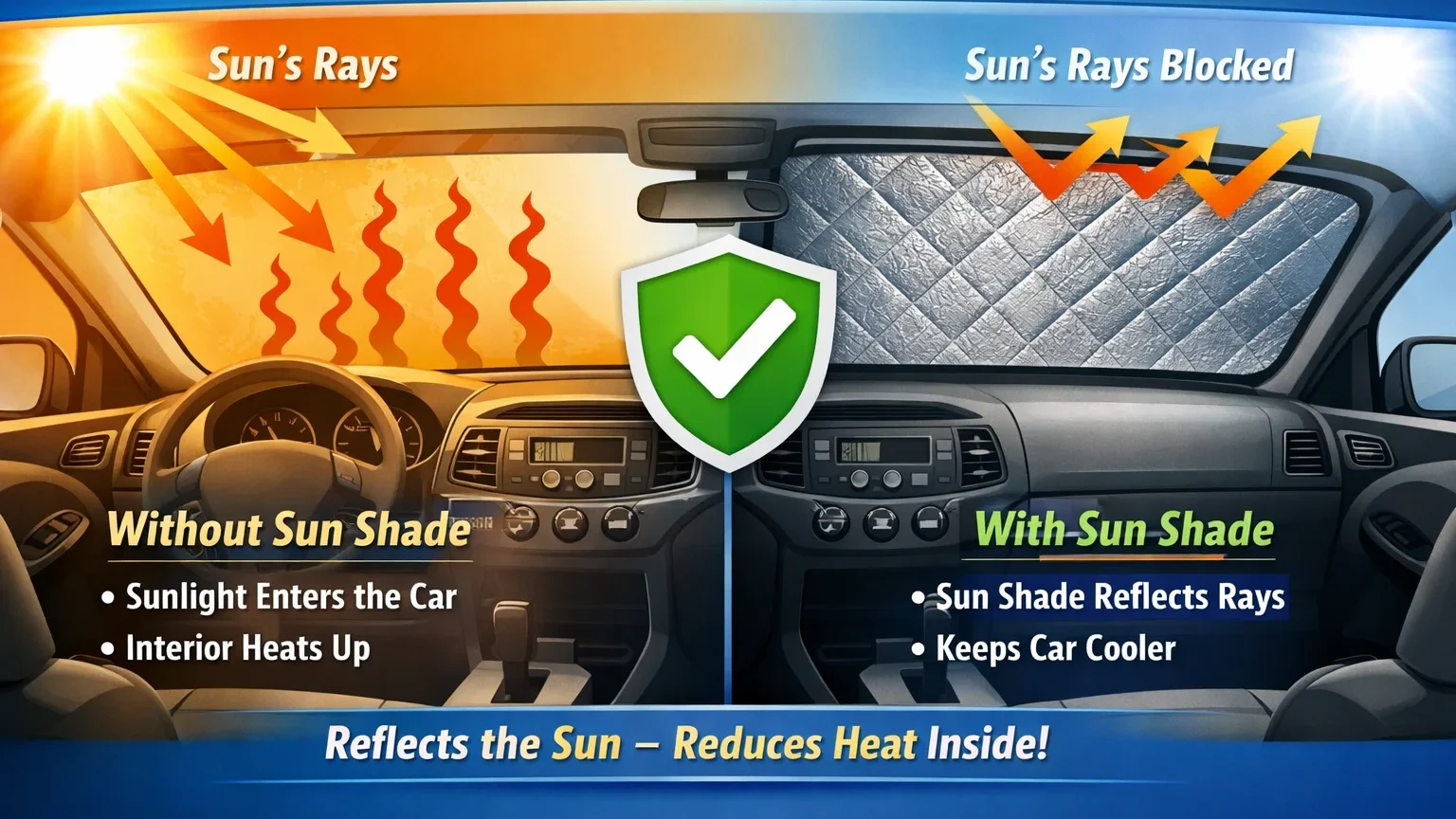
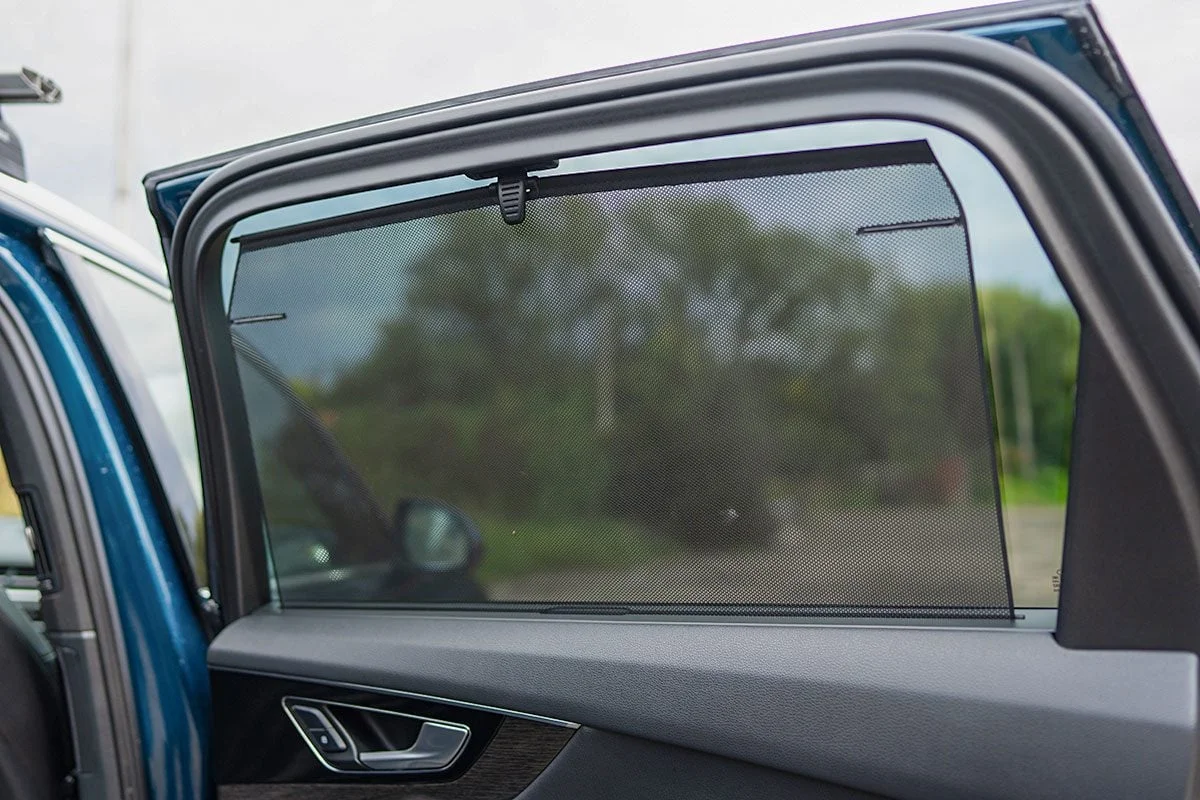
Custom shades for car windows, or even just a standard windshield shade, can make a huge difference to the internal temperature by minimising the greenhouse effect. They simply stop sunlight from entering the vehicle in the first place, reflecting it away instead. That way, it cannot enter the vehicle and be absorbed by the seats and console. But why is it so important to keep cars cool? Well, there are two main reasons.
Besides using sun shades, there are a few other ways to protect your car from heat. Consider UV-protective window tints to block extra sunlight, park in shaded areas or garages whenever possible, and use dashboard or seat covers to prevent cracking and fading. For longer drives, slightly cracking windows or using solar-powered ventilators can help keep the interior temperature lower.
How High Temperatures Damage Car Interiors
Ever noticed how the interiors in cars you have owned for years look far more faded and worn than when they were new? That change is not just due to age. It is a clear sign of prolonged exposure to the sun and heat. Ultraviolet (UV) rays pass through car windows and slowly break down the dyes and protective coatings used on seats, door panels, and dashboards. Over time, this leads to visible discoloration, dull surfaces, and uneven fading that cannot be fully reversed.
Heat makes the damage worse. High interior temperatures cause materials to expand and contract repeatedly, which weakens plastics, leather, and vinyl. Dashboards are especially vulnerable. Continuous heat exposure can lead to warping, surface bubbling, and deep cracks, particularly around air vents and instrument panels. Leather seats may dry out, stiffen, and develop permanent creases, while adhesives used in trims and headliners can begin to fail.
This kind of interior damage is not only cosmetic. Cracked dashboards can interfere with airbag deployment, and warped surfaces may create rattling noises or loose fittings while driving. That is why owners of high-end and luxury vehicles are especially careful about heat protection. Many rely on car window shades to block direct sunlight, reduce interior temperatures, and preserve their vehicles’ original condition. By limiting UV exposure and heat buildup, window shades help extend the lifespan of interior materials and maintain a car’s resale value.
The Health Risks of High-Car Temperatures
High car temperatures are more than just uncomfortable. You might think opening your windows for a few minutes when you return to your car on a hot day is enough, but sometimes it’s not. This is a problem because the symptoms of heatstroke, heat exhaustion, and dehydration can come on suddenly, and you really don’t want to start feeling dizzy or drowsy while driving. Children, the elderly, and anyone on long drives are especially vulnerable to the effects of extreme heat inside a vehicle. There’s also the risk of burning yourself on hot surfaces, which can really happen if a car is left in the sun for long enough. The dangers of hot cars aren’t just immediate, either. Excessive heat can cause the release of unhealthy compounds from plastics and other materials in the interior, so you’re essentially breathing in harmful fumes.
There’s also the risk of burning yourself on hot surfaces, which can really happen if a car is left in the sun for long enough. The dangers of hot cars aren’t just immediate, either. Excessive heat can cause the release of unhealthy compounds from plastics and other materials in the interior, so you’re essentially breathing in harmful fumes.
Conclusion
Sun shades for car windows are a straightforward and affordable solution to an overlooked, but serious, problem. Plus, they not only protect your health and your vehicle, but they also make driving more enjoyable and save you time. On hot days, you don’t need to roam around looking for shaded parking spots. And when you return to your vehicle, you can just get in and go.