



Building a wood fence in Washington can feel tricky, especially with constant rain, wet soil, and long, damp winters. Not all wood species hold up the same when exposed to moisture for months at a time. That’s why choosing the right material is one of the smartest things Washington homeowners can do before installing or replacing a fence.
If you live anywhere near the Puget Sound, including wetter cities like Bellevue, Redmond, or Lynwood, your fence battles moisture more than almost any other region in the country. Bellevue alone receives about 1,386 mm (roughly 54.6 inches) of precipitation each year, which means fences stay damp for longer periods and are at higher risk of rot and decay. And that means durability matters.
This guide breaks down the best wood types for fences in Washington’s rainy climate, why they work so well, and what to consider before choosing the material for your yard.
Have questions about this story?
Ask Tundra for more details, context, or updates.
Why Wood Selection Matters More in Washington
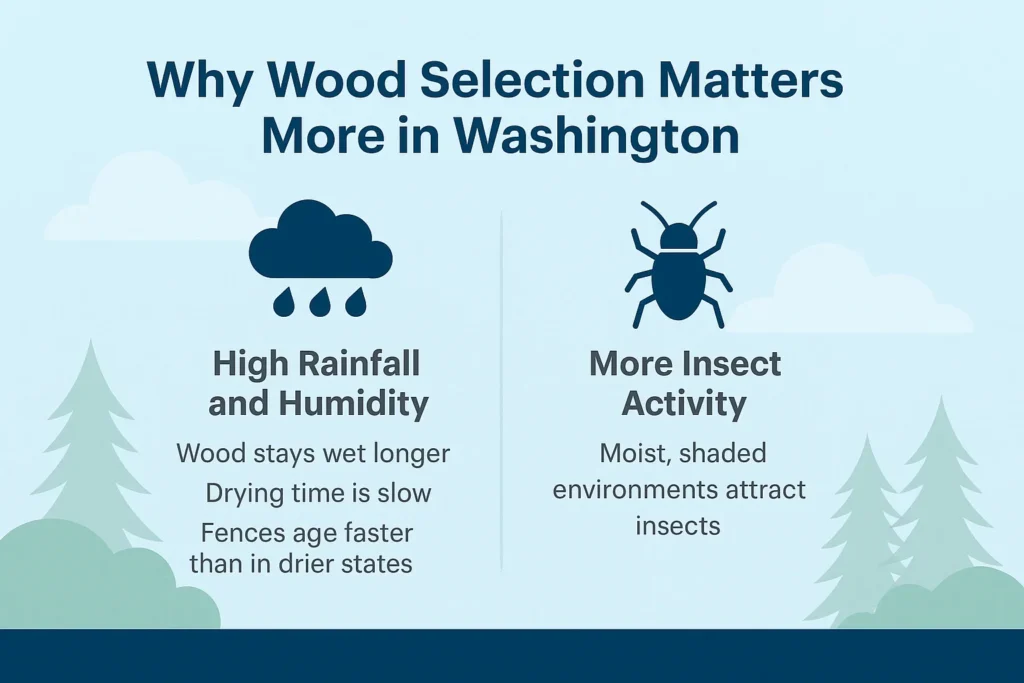
Washington’s climate creates unique challenges for wood fencing. Before diving into the best wood types, it helps to understand why.
High rainfall and humidity
Western Washington receives 35–60+ inches of rain each year, plus constant moisture in the air. That means:
- Wood stays wet longer
- Drying time is slow
- Fences age faster than in drier states
Greater risk of rot and decay
When wood stays damp, fungi begin breaking it down. Over time, this causes warped boards, soft sections, and structural failure.
More insect activity
Moist, shaded environments attract insects that feed on softer areas of aging wood.
This combination is why many homeowners rely on certified home fencing experts to help them choose the right material, because the wrong choice can shorten a fence’s lifespan by years.
The Top Wood Types for Wet Washington Weather
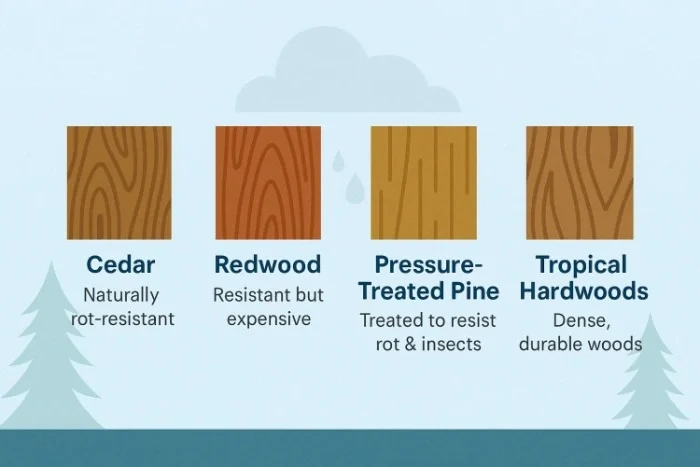
Below are the three wood species most proven to survive rain-heavy regions like Bellevue and the greater Puget Sound.
1. Western Red Cedar: The #1 Choice for Washington
Western Red Cedar is widely considered the best wood for rainy climates and for good reason.
Why Cedar Performs So Well
- Naturally rot-resistant: Cedar contains oils that protect it from moisture.
- Stays straight over time: Less warping and shrinking.
- Resists insects: Termites and wood-boring insects dislike cedar’s scent.
- Long lifespan: With proper care, cedar fences can last 20+ years in Washington.
Ideal For
Homeowners who want a fence that stands up to moisture with very little maintenance.
How It Looks
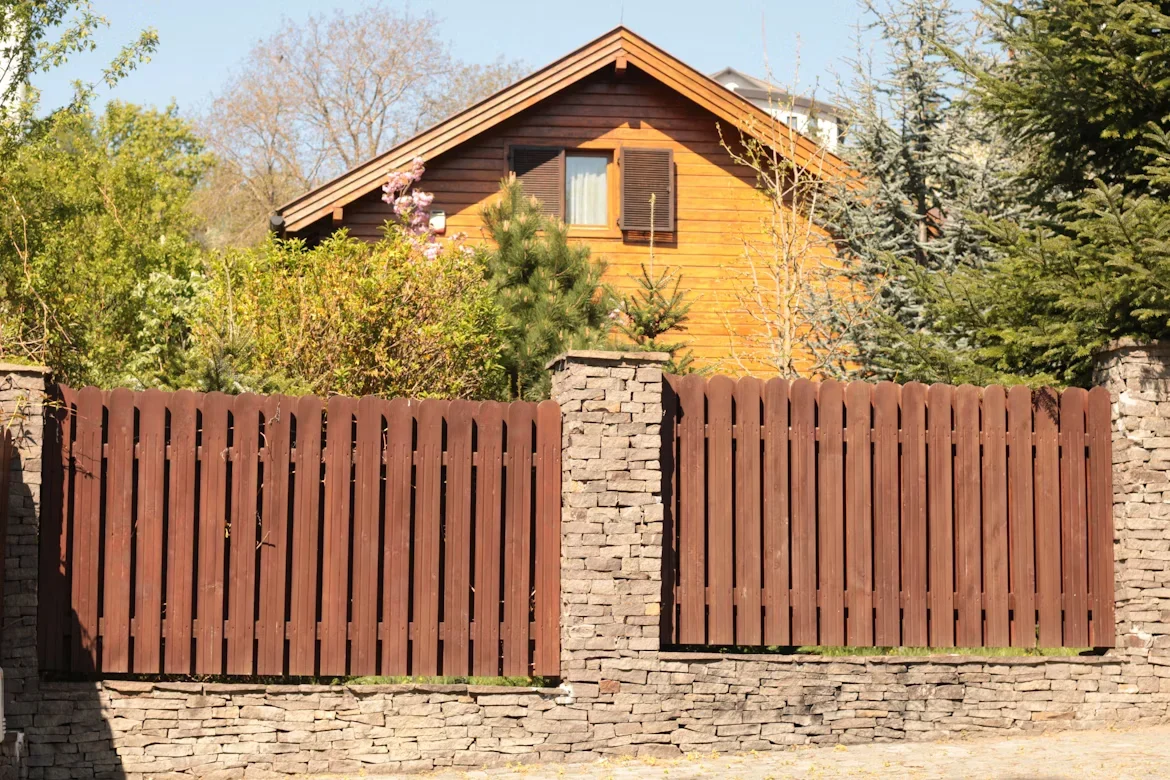
Cedar has a warm, reddish-brown tone that weathers beautifully to a silver-gray over time.
It’s also one of the most commonly chosen materials by skilled wooden fencing contractors in the Bellevue area, who often recommend it for long-term durability.
2. Pressure-Treated Pine: A Budget-Friendly Rain-Resistant Option
Pressure-treated pine is another popular choice because it offers strong protection at a lower cost.
Why Homeowners Choose It
- Chemical treatment prevents rot
- Helps repel moisture and bugs
- Typically more affordable than cedar
What to Keep in Mind
Pressure-treated pine is strong, but it may:
- Warp more easily if not sealed
- Require more maintenance
- Fade faster in constant rain
Still, it’s a solid option for homeowners seeking durability without the higher price of cedar.
3. Redwood: Strong, Beautiful, and Moisture-Resistant
Although redwood is less common in Washington due to its higher price and longer shipping distance, it performs extremely well in wet climates.
Benefits of Redwood
- Excellent natural rot resistance
- Very stable, with minimal warping
- Beautiful deep color and grain
When It’s Worth It
- If you want a premium, high-end look
- If you prefer minimal yearly maintenance
For homeowners who plan to stay in their home long-term, redwood can be a smart investment.
Other Factors That Affect Fence Durability in Wet Weather
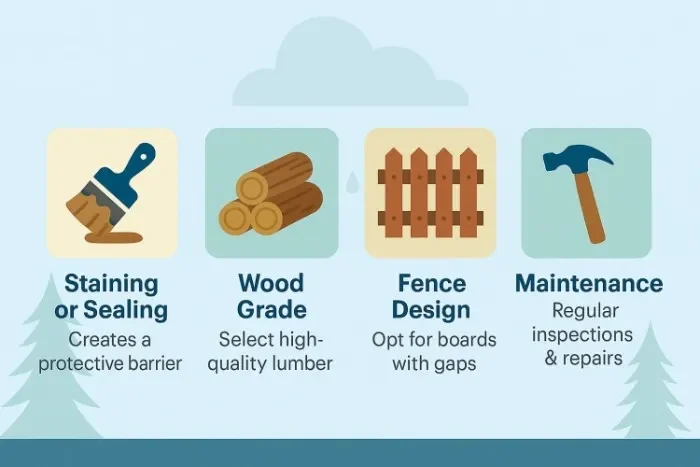
Choosing the right wood is important, but how the fence is built and maintained matters too.
Post Materials Matter Just as Much
Even the strongest fence fails early if the posts rot.
Better long-term options include:
- Pressure-treated posts are affordable and durable
- Cedar posts are naturally rot-resistant
- Metal posts are best for long-term stability
Many homeowners in Bellevue are now mixing wood panels with metal posts for extra strength against soggy soil.
Proper Installation Makes a Huge Difference
In oversaturated soil, fences need:
- Deeper post holes
- Better drainage gravel
- Proper concrete setting
- Correct spacing for airflow
These details help prevent premature rot, leaning, and moisture damage.
Sealing and Staining Extend the Fence’s Lifespan
Even rot-resistant woods last longer when sealed.
A good maintenance schedule includes:
- Sealing or staining every 2–3 years
- Cleaning off moss and algae yearly
- Checking for loose boards after winter
This small effort can add 5–10 extra years to your fence.
How to Choose the Right Wood Fence for Your Home
When deciding between cedar, pine, or redwood, consider:
Your Budget
- Cedar: Mid-range
- Pressure-treated pine: Budget-friendly
- Redwood: Premium
Your Aesthetic Style
- Cedar: Natural, warm
- Pine: Can be stained any color
- Redwood: Rich, luxurious look
Your Willingness to Maintain It
If you prefer minimal maintenance, cedar or redwood performs best.
When to Get Professional Guidance
Because local conditions vary soil type, shade, and property slope it’s always smart to speak with local outdoor-improvement experts or other professionals familiar with Washington weather. They know which materials last longest in areas like Bellevue, Bothell, Marysville, or Kirkland. This is supported by a five-year decking performance study showing that wood durability changes significantly based on moisture exposure and site conditions, meaning the right choice of material often depends on the unique environment of each property.
This helps assure your investment holds up for decades, not just a few rainy seasons.
Final Thoughts
Washington’s rainy climate demands a fence material that can handle moisture, resist rot, and stay strong year-round. Western Red Cedar, pressure-treated pine, and redwood are the most reliable choices for homeowners who want long-lasting performance.
With the right wood type, smart installation, and routine care, you can build a fence that stands strong through every rainy season and still looks beautiful doing it.