



Disclaimer: The information provided in this article is for general informational and educational purposes only and does not constitute legal advice. Immigration and asylum laws are complex, subject to change, and vary based on individual circumstances and jurisdiction. While efforts have been made to ensure accuracy, no guarantees are made regarding completeness or reliability. Readers should not rely on this content as a substitute for professional legal guidance and are strongly advised to consult a qualified immigration lawyer for advice specific to their situation. The author and publisher disclaim any liability for any actions taken based on this information, and use of this content does not establish a lawyer-client relationship.
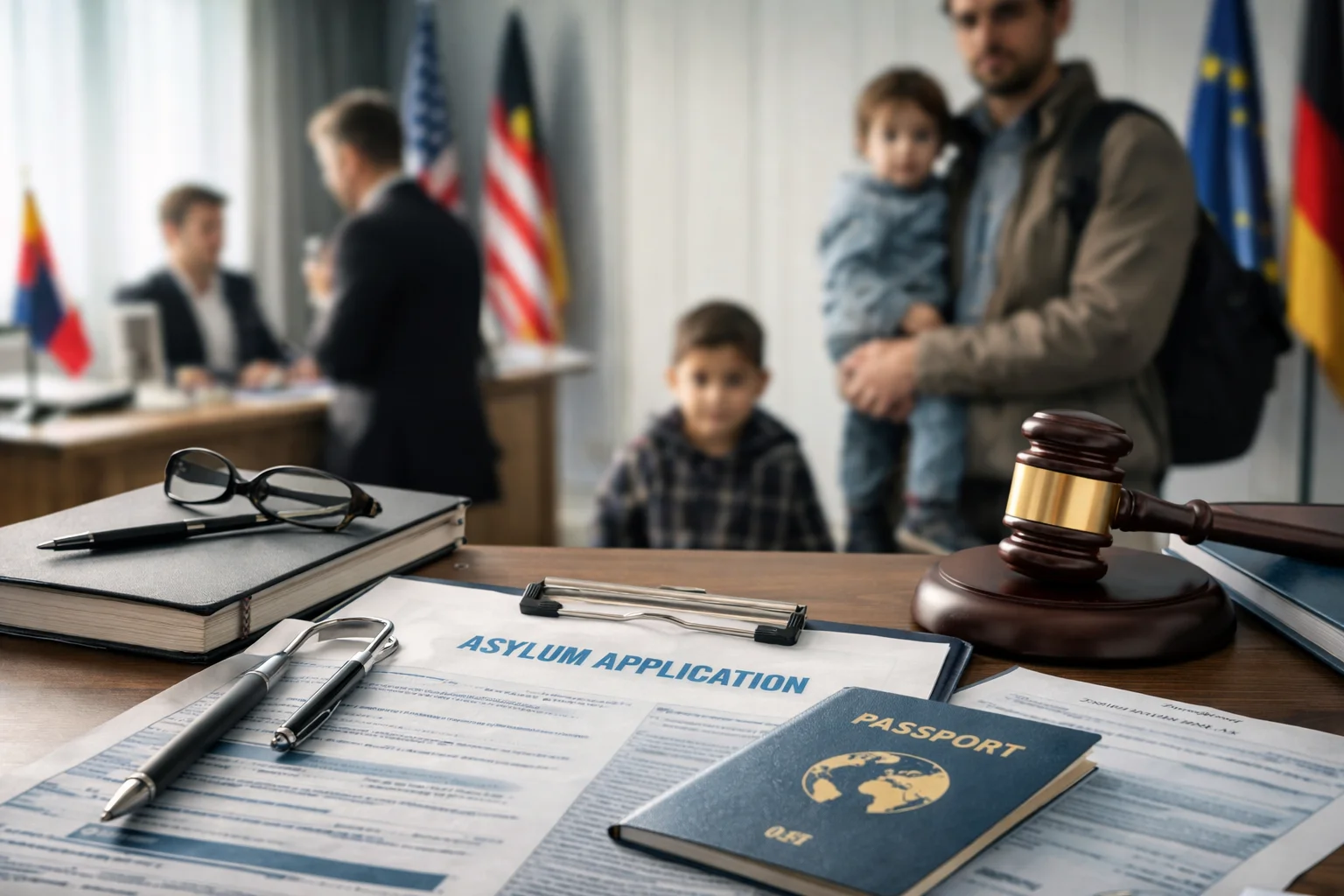
Global displacement has reached unprecedented levels in recent years. In fact, 117.3 million people have been forcibly displaced worldwide due to persecution, conflict, violence, and human rights violations the highest level on record. As a result, immigration policies and refugee protections have become increasingly complex. Navigating the legal frameworks governing asylum and humanitarian visas requires a deep understanding of both international human rights law and domestic law. For individuals fleeing persecution, securing a safe haven is rarely just a matter of relocation. It is instead a highly structured legal process filled with intricate procedural hurdles. Understanding how these systems operate is vital for anyone interested in the intersection of law, policy, and human rights.
Have questions about this story?
Ask Tundra for more details, context, or updates.
The Legal Framework of Humanitarian Protection
At the core of most modern asylum systems is the foundational definition of a refugee, originally established under international law. While conventions set the baseline for human rights, how each sovereign nation implements these protections within its own borders varies significantly. The criteria for securing legal safety are rigorous, and the pathways to achieving it are strictly categorized.
To understand the procedural nature of these claims, it is helpful to look at established legal structures. A clear illustration of international standards is provided by the foundational legal frameworks established by the 1951 Refugee Convention, which mandates that vulnerable individuals cannot be returned to countries where they face serious threats. While this principle of non-refoulement is universally recognized, domestic systems require applicants to navigate incredibly complex pathways to prove their eligibility.
The Crucial Role of Expert Legal Representation
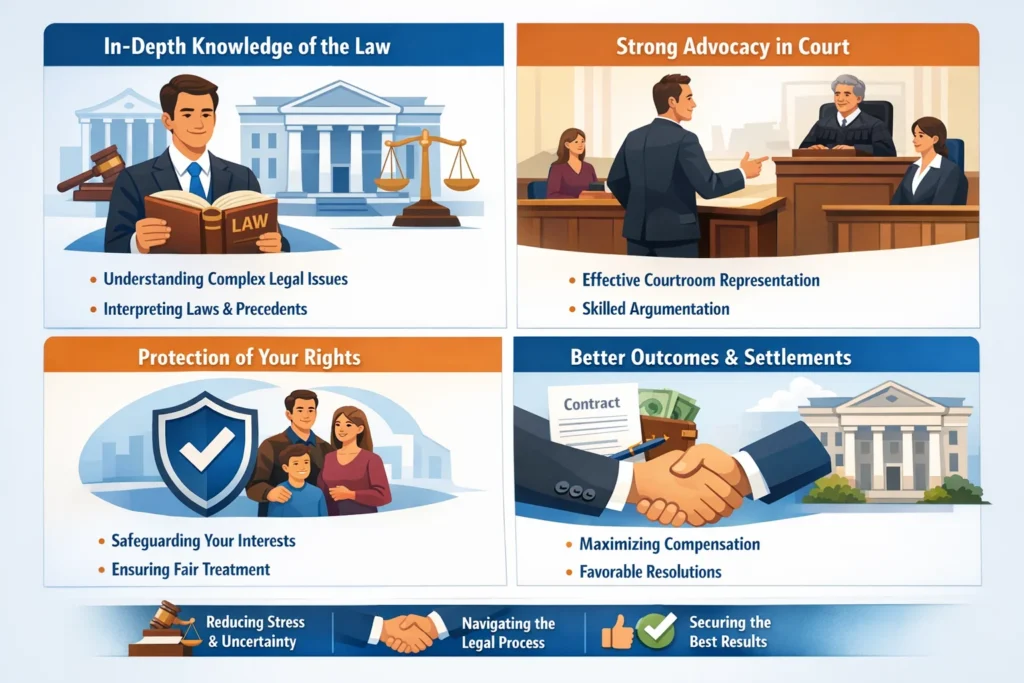
Given the life-altering stakes involved, facing any immigration system without professional legal guidance is highly risky. The burden of proof rests entirely on the applicant, who must provide compelling, well-organized evidence of their need for safety. This is exactly where dedicated protection visa lawyers become invaluable. These legal professionals possess the specialized knowledge required to interpret complex legislative updates, ensure all documentation meets stringent court standards, and advocate fiercely during high-pressure tribunal hearings.
The intricate procedures of applying for asylum mean that professional help is fundamentally necessary. Just as we see in broader discussions of immigration law, securing an experienced lawyer simplifies complex visa applications by helping applicants avoid common administrative pitfalls and frustrating processing delays. By carefully organizing evidence and clearly demonstrating eligibility, legal representatives bridge the vast gap between vulnerable applicants and a rigid bureaucratic framework. They ensure that every legal requirement and strict deadline is met with precision.
Also Read: How an Immigration Lawyer Simplifies Complex Visa Applications
Key Challenges in the Application Process
The journey to securing a humanitarian visa is fraught with obstacles. Applicants and their legal counsel must be prepared to face several distinct challenges during the lifecycle of a case.
- Stringent Documentation Requirements: Immigration authorities demand overwhelming proof to substantiate humanitarian claims. Gathering official police reports or verified medical records from a dangerous country of origin is often nearly impossible for someone who fled abruptly.
- Language and Cultural Barriers: Many asylum seekers arrive without a strong command of the local language. This makes it incredibly difficult to accurately convey specific experiences of persecution to officials, increasing the risk of misunderstandings.
- Navigating Evolving Legal Standards: Immigration laws are highly subject to political changes and sudden shifts in domestic policy. Applicants must stay perfectly aligned with current legislation to avoid immediate rejection.
- Trauma and Memory Limitations: Recounting traumatic events for official government records is psychologically taxing. Minor inconsistencies in these accounts are frequently used by immigration authorities to question an applicant’s overall credibility.
Upholding Access to Justice
The intersection of domestic law and international human rights remains highly complex. While global frameworks exist to protect those in acute danger, the reality of accessing these protections is deeply entangled in rigorous bureaucratic processes. Government departments require exact compliance with the law, leaving absolutely no room for administrative errors or missing paperwork.
As global immigration policies continue to evolve, the necessity for competent, dedicated legal advocacy remains absolutely clear. Ensuring that individuals have proper representation is the only effective way to guarantee a fair assessment of their claims and to uphold the foundational principles of humanitarian protection in modern society. Without adequate legal support, the promise of a safe harbor remains completely out of reach for many vulnerable people.