
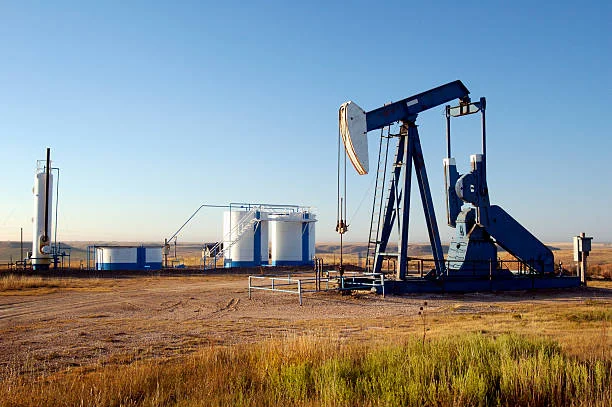
The future of the Arctic National Wildlife Refuge is again in the national spotlight following renewed discussion around oil and gas leasing on its coastal plain, a region considered environmentally and culturally significant.
The coastal plain, covering approximately 1.5 million acres, is home to a wide range of wildlife, including polar bears, seals, walruses, and more than 200 species of migratory birds. The area also holds deep cultural importance for Indigenous communities, including the Gwich’in and Iñupiat, who rely on the region for subsistence and cultural practices.
According to advocacy groups monitoring federal land policy, the Trump administration is moving forward with plans that would allow oil and gas leasing across the coastal plain. Supporters of development argue it could strengthen domestic energy production, while critics raise concerns about potential impacts on wildlife habitat, migration patterns, and subsistence resources.
The Arctic National Wildlife Refuge has long been at the center of debate balancing conservation, Indigenous rights, and energy development. Any leasing activity would still require regulatory approvals and environmental reviews under federal law.
Also Read: No Bids Received in Arctic National Wildlife Refuge Lease Sale Amid Ongoing Dispute
As discussions continue, the issue remains one of the most closely watched environmental and land-use decisions affecting Alaska’s Arctic region, with implications for wildlife conservation, local communities, and national energy policy