

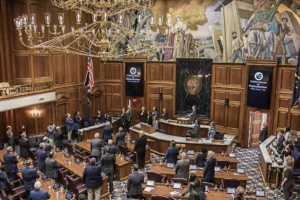



The Anchorage Assembly has requested a comprehensive audit of tax-exempt properties throughout the city, aiming to verify compliance and potentially recover millions of dollars in lost tax revenue.
Have questions about this story?
Ask Tundra for more details, context, or updates.
What Happened
The Anchorage Assembly has introduced a resolution calling for a full review and audit of tax-exempt real estate within the municipality.
According to official documents, more than $15 billion worth of property in Anchorage is currently exempt from taxation, representing about 25% of the city’s total property tax base.
The audit will focus on verifying whether these properties still meet eligibility requirements under local and state laws. Officials also want to identify cases where properties may be incorrectly classified or no longer qualify for exemptions.
Importance
City leaders say the large volume of tax-exempt property places a heavier burden on homeowners, renters, and local businesses.
Studies referenced in the proposal suggest that 2% to 5% of exempt properties may be out of compliance, potentially representing hundreds of millions of dollars in improperly exempt value.
This could translate into millions of dollars in lost annual revenue, funds that could otherwise support public services or reduce tax pressure on residents.
Impact of Audit
The audit could impact:
- Property owners currently benefiting from tax exemptions
- Residential homeowners and renters who may see tax relief
- Local businesses affected by the overall tax structure
Nonprofit organizations, religious institutions, and other entities with tax-exempt status may also be subject to closer scrutiny.
What Happens Next
If approved and implemented, the audit will be carried out by the city’s administration and internal audit office.
Officials plan to:
- Verify continued eligibility of exempt properties
- Estimate financial impact of any misclassified exemptions
- Recommend enforcement actions, including revoking or adjusting exemptions
The Assembly has also requested a report outlining findings and potential policy changes within approximately 120 days.
Analysis
This move reflects a broader push for tax fairness and accountability in Anchorage.
While tax exemptions support nonprofits and community services, the lack of regular review creates risk. If even a small percentage of properties are incorrectly exempt, the financial impact can be significant.
The audit is not about removing exemptions, it’s about ensuring they are still justified and benefiting the public as intended.