


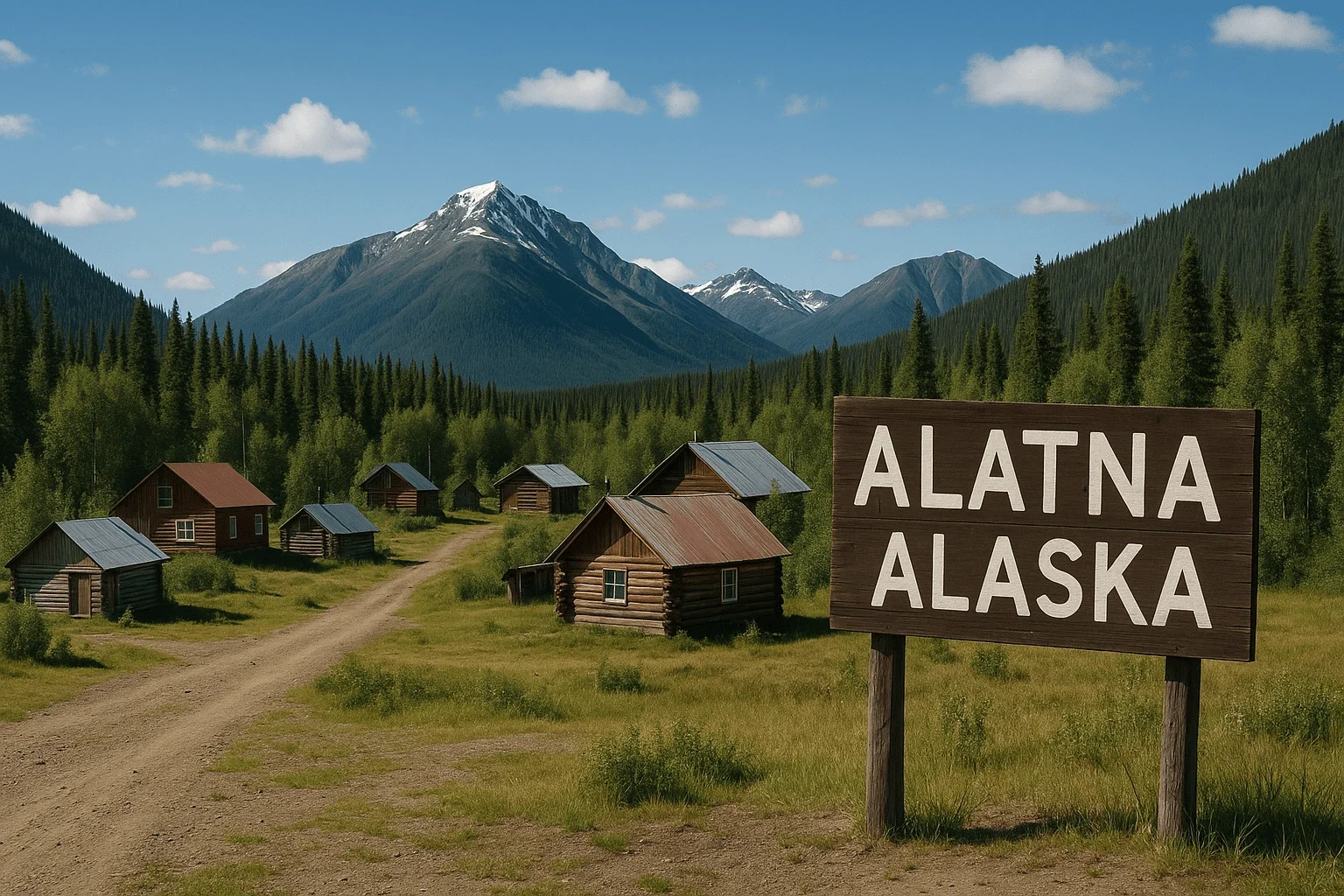
Alatna is one of the smallest and most remote communities in Interior Alaska, home to a Koyukon Athabascan population that has lived along the Koyukuk River for generations.
With no road access, limited services, and a lifestyle shaped entirely by the seasons, the village represents one of the clearest examples of subsistence living in Alaska today.
For travelers, researchers, and anyone curious about life in the far interior, Alatna offers an unfiltered look into a way of living that remains deeply connected to the land.
Have questions about this story?Ask Tundra for more details, context, or updates.
A Remote Village at the Edge of the Koyukuk River
Alatna lies about 190 miles northwest of Fairbanks and sits directly across the river from Allakaket. According to Data USA, the village’s population typically ranges from 20 to 35 residents, making it one of the smallest communities in the Yukon–Koyukuk Census Area.
The only reliable access is by air, with small aircraft traveling from Fairbanks to Allakaket’s airstrip; from there, locals cross the river by boat, snowmachine, or foot, depending on the season.
Surrounded by boreal forest and the rolling foothills of the Brooks Range, Alatna occupies a region rich with wildlife, including moose, black and grizzly bears, wolves, and seasonal birdlife. For many Alaskans, the village is not widely known, but it remains a vital part of the cultural and geographic landscape of Interior Alaska.
Where Nature and Daily Life Are Intertwined
Life in Alatna is shaped almost entirely by the river. The Koyukuk provides food, travel routes, seasonal camps, and access to neighboring communities. Without road connections to the state highway system, residents depend on:
- Boats in summer
- Snowmachines and ice trails in winter
- Bush planes year-round
This isolation creates challenges that urban Alaska rarely experiences, from the high cost of fuel to the logistics of transporting food, medical supplies, building materials, and everyday goods.
Yet, for residents, this environment is not an obstacle it is home. Subsistence practices provide stability, identity, and continuity in a region where store-bought supplies are limited and often unaffordable.
A Year Built Around the Seasons

Spring: Renewal on the River
When spring breakup begins, the frozen river fractures and opens the travel channels that connect families to their camps. Boats are repaired, nets are prepared, and communities begin transitioning toward their seasonal rhythms.
Summer: The Height of Subsistence
Summer is the busiest season in Alatna. Families move to their fish camps along the river, relying on methods such as gillnets and fish wheels to harvest salmon, sheefish, and whitefish. This food is smoke-dried or frozen to feed households and sled dogs for the entire year.
The long daylight also brings construction, repairs, berry picking, and increased river travel.
Fall: Moose Season and the Year’s Major Harvest
Fall is when many families secure their most substantial food supply. A single moose can provide hundreds of pounds of meat, shared among relatives and community members. Gathering, cutting, drying, and storing meat is a collective effort that often lasts weeks.
Winter: Life Indoors and Travel by Ice
Winters in Alatna are long, dark, and severe. Temperatures can fall far below zero. Most travel shifts to snowmachines, and residents rely heavily on the food harvested months earlier. Winter is a period of maintenance, trapping, storytelling, and the steady routines that hold the village together.
The Cost and Challenge of Living Off the Road System
One of the most significant burdens on Alatna households is energy. Without natural gas pipelines or affordable fuel transport, residents rely on heating oil, diesel generators, and wood. Fuel must be flown in or transported upriver when conditions allow, making prices substantially higher than in urban Alaska.
Electricity is limited and often expensive due to the high cost of generating and maintaining small-scale power systems. These challenges reinforce the importance of subsistence, cooperation, and community resilience.
Alatna as a Wilderness Destination: What Visitors Should Know
Though not a common tourist stop, Alatna appeals to experienced wilderness travelers seeking authentic Interior Alaska experiences.
Packrafting the Alatna River
The Alatna River, originating in the Brooks Range and flowing through Gates of the Arctic National Park, offers world-class packrafting. It’s clear streams, braided channels, and mountain scenery draw adventurers prepared for remote travel without services.
Hiking and the Arrigetch Peaks
The Arrigetch Peaks, located in the nearby Endicott Mountains, are among the most iconic features of the Brooks Range. They offer difficult, technical terrain and require expertise, preparation, and respect for unpredictable weather.
Fishing and Wildlife Viewing
The region supports salmon, Arctic grayling, lake trout, and northern pike. Wildlife photographers and researchers often travel here to document:
- Dall sheep
- Grizzly and black bears
- Wolves
- Migratory bird species associated with the Arctic
Northern Lights
From late August into winter, Alatna’s dark skies make it an excellent location for viewing the aurora borealis.
Also Read: A Complete Guide to Seeing the Northern Lights in Alaska
Camping in Alatna’s Backcountry: Safety and Respect
Camping in this region requires preparation far beyond typical Alaska trips. The environment is remote, and assistance may not be available.
1. Follow Leave No Trace
Trash removal is not managed in the wilderness. Everything brought in must be packed out.
2. Stay Bear Aware
Bears are common, especially near the river. Food must be stored properly, and travelers should carry bear spray, make noise, and avoid surprising wildlife.
3. Prepare for Rapid Weather Changes
Interior Alaska weather shifts suddenly. Visitors should pack for both warm and freezing temperatures, regardless of the season.
4. Respect Local Culture
Alatna is a real community, not a scenic backdrop. Visitors should ask permission before photographing people, avoid disturbing seasonal camps, and follow local guidance.
Why Alatna Matters Final Verdict
In an era dominated by digital life and rapid development, Alatna represents a living example of Alaska’s deep connection to land, culture, and self-reliance in community. Its residents maintain practices that have sustained Athabascan people for centuries, harvesting together, sharing food, navigating seasons, and protecting traditions.
For outsiders, visiting Alatna is not simply about adventure. It is an opportunity to witness a way of life that endures not because it is easy, but because it is meaningful.
FAQs
What is daily life like in Alatna?
Life revolves around the river, subsistence activities, and community cooperation. Residents fish, hunt, chop wood, maintain camps, and adapt constantly to the seasons.
Is it safe to camp near Alatna?
Yes, but only with thorough preparation. Bears, weather conditions, and isolation require strict safety measures. Visitors should avoid disturbing wildlife or local subsistence areas.
How remote is Alatna?
Extremely remote. The village is not connected by road and depends on small aircraft, boats, and snowmachines for travel. Supplies are expensive, services are limited, and the wilderness is ever-present.