



Gardeners have been working fish scraps into soil for thousands of years, a practice documented in peer-reviewed research going back to Native American and early colonial farming traditions. Long before anyone had a name for it, coastal farming communities figured out that fish waste helped plants grow and the practice spread from there. Today that same basic idea comes in a bottle, and Alaskan fish fertilizer has become one of the more recognized names in the organic gardening world.
The questions around it tend to be consistent: what’s actually in it, what does it do, and how is it used properly?
Have questions about this story?Ask Tundra for more details, context, or updates.
What It Actually Is
Alaska’s waters are among the most fish-rich in the world as thousands of salmon fill even shallow Alaskan creeks, making the state a natural source for fish-based agricultural products. Alaskan fish fertilizer is an organic, liquid plant nutrient made from whole fish and fish processing byproducts i.e. bones, scales, skin, and other parts that would otherwise go to waste. Those materials get processed into a concentrated liquid formula, typically sold in bottles that get diluted before use.
The most familiar formulation runs a 5-1-1 NPK ratio: 5% nitrogen, 1% phosphorus, 1% potassium. Nitrogen leads, which is what makes it particularly useful during the leafy, vegetative growth phase. Oregon State University Extension confirms that nitrogen helps plants put on lush green growth and is best applied in slow-release forms. Phosphorus and potassium play supporting roles in root development and plant function.
Worth noting early: “Alaskan fish fertilizer” functions more as a category name than a geographic designation. It’s become shorthand in gardening circles for fish emulsion-style fertilizers broadly, descriptive of a product type rather than pointing to any single brand or origin.
How It Gets Made
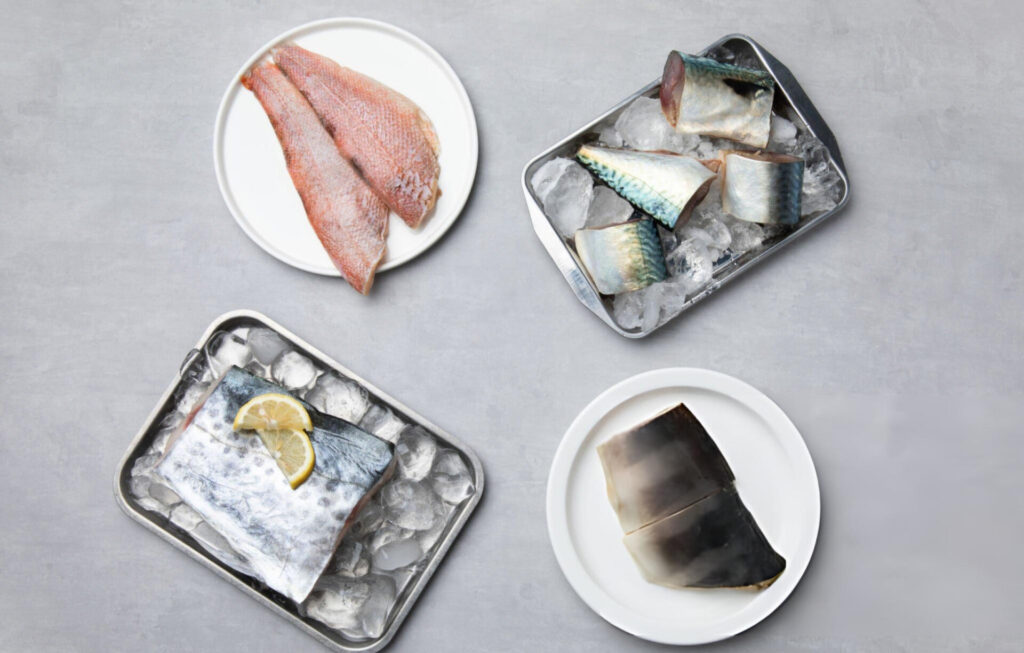
The process starts with fish byproducts from processing facilities, the parts left over after fish are prepared for food use. These get ground into a slurry, then processed to pull out fish oil and fish meal for other industrial uses. What remains is a liquid emulsion that’s strained and stabilized.
Some formulations add kelp or seaweed, bringing in trace minerals and micronutrients that fish alone don’t provide in meaningful amounts. The finished concentrate has a noticeable smell before it’s even opened.
How It Works in the Soil
Fish fertilizer behaves differently from synthetic products. Synthetics deliver nutrients roots can absorb almost immediately. Fish fertilizer is slower and that’s part of what makes it valuable.
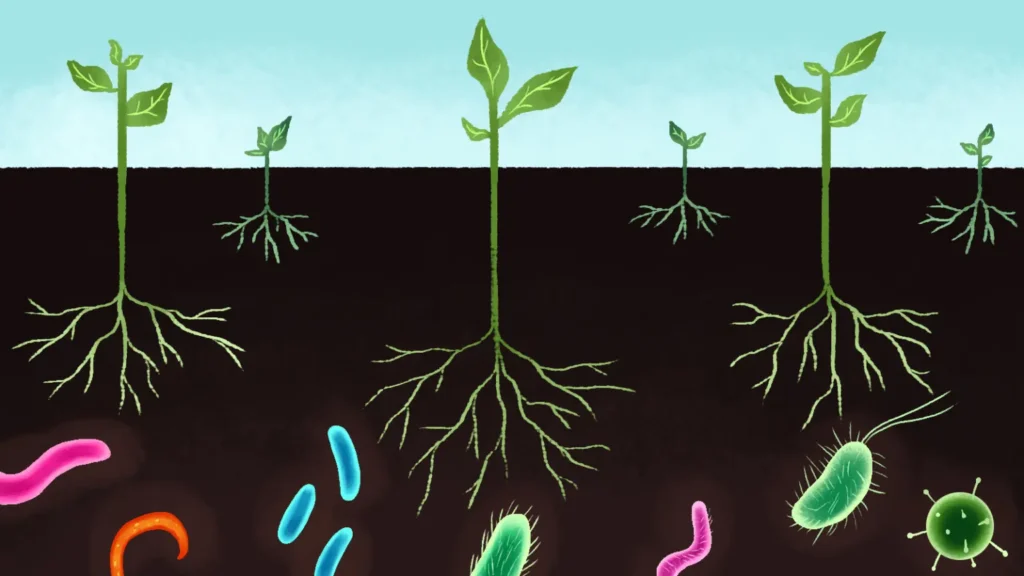
When watered in, nutrients don’t travel straight to plant roots. Soil microorganisms like bacteria, fungi and earthworms break the organic material down first and release nutrients gradually, a benefit highlighted by University of Illinois Extension, which notes that fish emulsion feeds the soil food web for improved long-term plant health. That steady release is less likely to overwhelm plants than a concentrated hit all at once.
The secondary effect is what happens to the soil itself. Microbial activity builds better structure as drainage improves, moisture retention improves, and roots have more room to spread. Gardeners using it consistently through a full season often notice the soil becoming more workable over time.
What It’s Commonly Used For
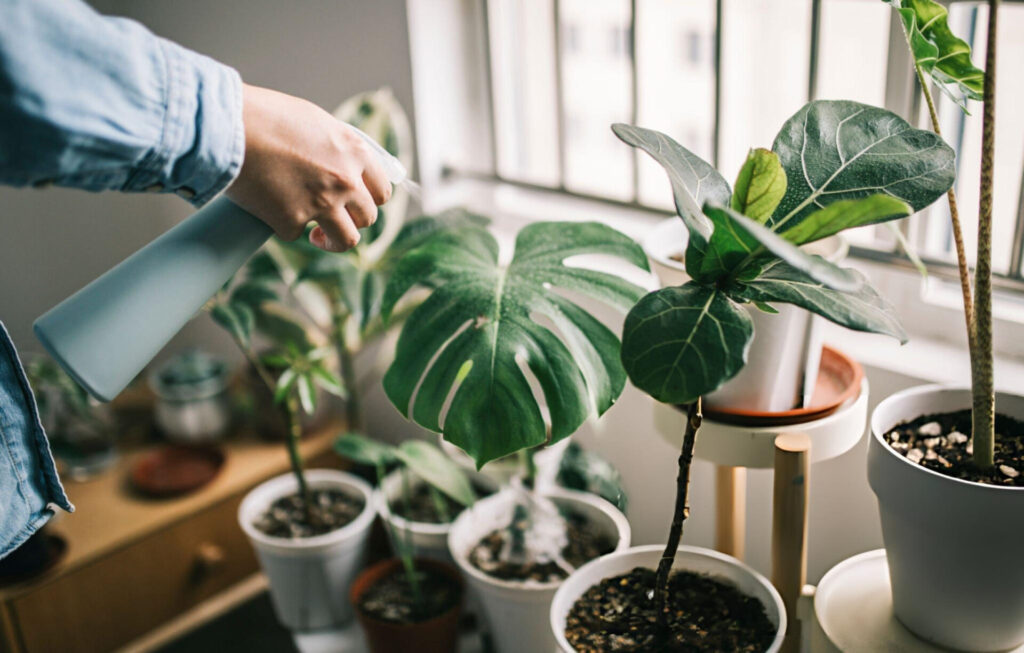
Versatility is part of what keeps fish fertilizer in regular rotation for a lot of gardeners:
- Vegetables and herbs: Tomatoes, peppers, cucumbers, leafy greens, and herbs are common candidates throughout the growing season.
- Flowers and ornamentals: Useful in early growth to build strong foliage before bloom. Some gardeners switch to a bloom-focused supplement once flowering begins.
- Lawns: Applied as a diluted drench, it works as an organic nitrogen source for grass without the burn risk of concentrated synthetics.
- Seedlings and transplants: Gentle enough for developing roots when properly diluted, making it a common choice for plants that need feeding without stress.
- Indoor plants: Possible in liquid form when diluted carefully, though the smell pushes most indoor gardeners toward low-odor or granular alternatives.
Benefits That Gardeners Actually Notice
The draw for organic gardeners is straightforward: it feeds plants without the risks of concentrated synthetics, doesn’t cause salt buildup over time, and improves the soil rather than depleting it. Many fish emulsion products also carry OMRI certification, independently approved for use in certified organic growing, meaning they’ve been reviewed against USDA organic standards.
The Downsides Worth Knowing
The smell is unavoidable as it is strong and distinctly fishy, lingering for a day or two after application. Manageable outdoors for most people; less so in enclosed spaces. Animals are sometimes drawn to treated areas too, which can be a minor nuisance.
Dilution is important even with organic products. Applying too concentrated a mix can still stress plants, so following label ratios matters. Most concentrates call for roughly one tablespoon per gallon of water, though this varies depending on the plant and product.
How Gardeners Typically Apply It
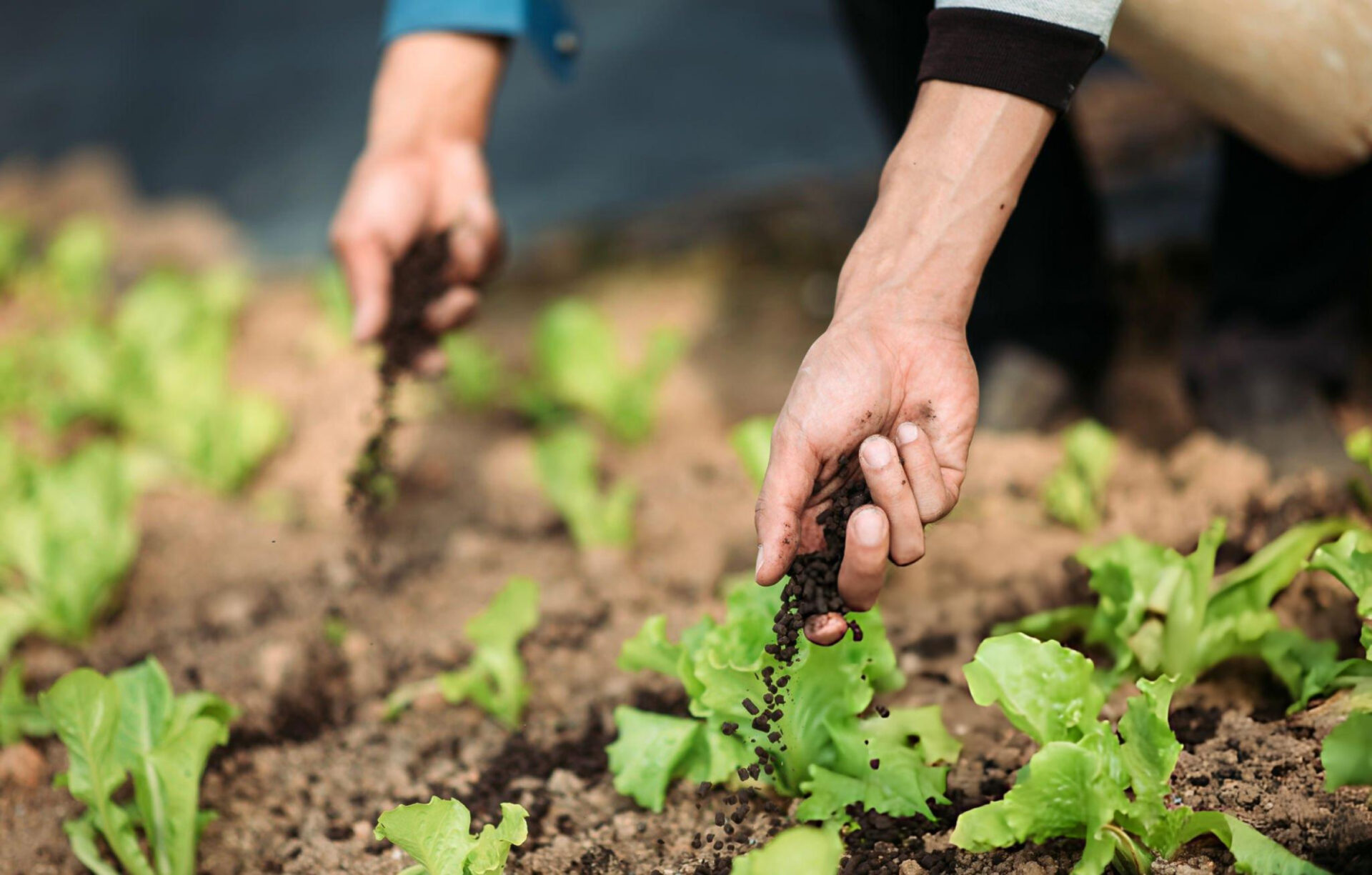
The most common method is soil drenching by mixing the concentrate into a watering can or hose-end sprayer and applying it directly to the base of plants, soaking the root zone. A general growing-season schedule runs every two to three weeks, giving nutrients enough time to break down and become available between feedings.
For seedlings and younger plants, many gardeners dial the concentration back further, sometimes half the standard ratio, applying it gently to avoid stressing developing roots. The goal is consistent, light feeding rather than heavy, infrequent doses.
Fish fertilizer can also be used as a foliar spray, a very diluted solution applied directly to plant leaves in the early morning or late afternoon when temperatures are cooler. Leaves absorb nutrients faster than roots do, which makes foliar feeding a useful option when plants need a quicker response. That said, extra dilution is essential, and it shouldn’t be applied during peak heat or direct full sun.
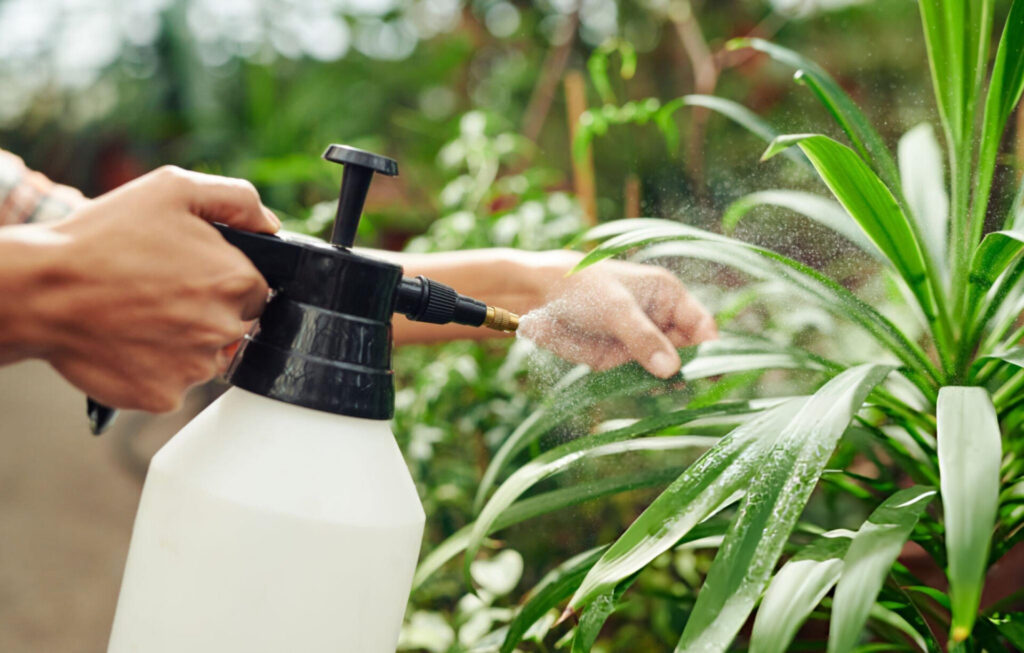
Image via Getty
In the off-season, it can be worked into garden beds alongside compost to help kick-start microbial activity before the growing season begins which is less a feeding strategy in that context and more a soil preparation step.
Who It Tends to Work Well For
It suits gardeners growing organically or moving in that direction, those dealing with depleted soil, and anyone who wants something harder to over-apply than concentrated synthetics. It’s also a reasonable starting point for beginners; simple process, wider margin for error, and widely available at garden centers and home improvement retailers.
What to Take Away From This
Alaskan fish fertilizer isn’t a new idea dressed up in modern packaging as it’s an old practice refined. The core principle has stayed consistent across centuries: fish-derived nutrients feed both plants and soil. For gardeners trying to build healthier growing conditions over the long term while keeping things as natural as possible, it’s a category worth understanding before deciding if it fits the garden.