



Debate is intensifying in Alaska over wildlife management strategies as state and federal officials weigh controversial measures to protect declining caribou herds by reducing bear populations, a practice drawing both support and criticism from scientists, hunters, and conservationists.
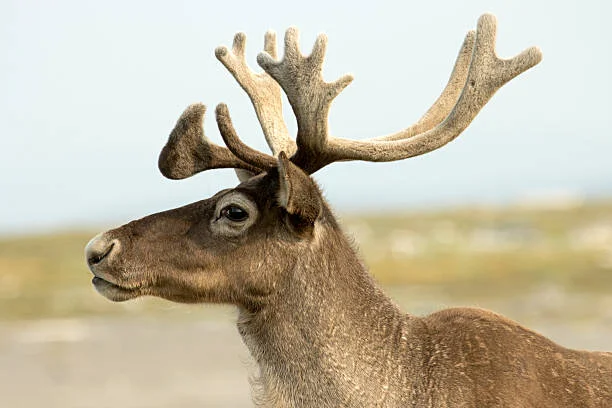
Several of Alaska’s caribou herds, including the Western Arctic and Central Arctic herds, have experienced significant population declines in recent years. These declines have alarmed rural residents, Indigenous communities, and hunters who depend on caribou for subsistence and cultural traditions. Researchers and wildlife managers are exploring whether predation by bears, particularly brown bears (Ursus arctos), may be contributing to poor calf survival and overall herd declines.
In response, some wildlife managers have proposed increased bear removal in key calving areas as part of an experimental effort to improve caribou recruitment and population growth. Proponents argue that reducing predator pressure at certain times and places could give calves a better chance of surviving their vulnerable first weeks. This approach mirrors controversial predator control experiments in other parts of North America, though Alaska’s scale and ecological context present unique challenges.
But critics caution that predator reduction is a blunt tool with uncertain outcomes. Many biologists stress that caribou declines are driven by a mix of climate change, altered vegetation, human disturbance, and disease, and that focusing narrowly on bears misses larger ecological drivers. Opponents also warn that reducing bear populations could have unintended consequences for Alaska’s broader ecosystem, including impacts on tourism, predator–prey dynamics, and biodiversity.
Federal wildlife agencies, including the U.S. Fish and Wildlife Service and Alaska Department of Fish and Game, are conducting reviews of the available data and consulting with local stakeholders before making policy recommendations. Officials acknowledge the complexity of the issue and the high stakes for communities that rely on caribou.
Also read: Western Arctic Caribou Herd Designated “Critical and Declining” Following 2025 Count
As discussions continue, Alaskans on all sides agree on one point: finding effective, sustainable solutions for caribou conservation is critical, but arriving at consensus on how to do so remains deeply contentious.