



Disclaimer: This article is provided for informational purposes only and does not constitute legal advice. Laws and legal procedures may vary based on individual circumstances and are subject to change. Readers should consult a qualified attorney or appropriate legal professional for advice regarding their specific situation.
Alaska’s road conditions and legal requirements shape how vehicle collisions occur and how they are handled. You will learn why accidents in this U.S. state have distinctive features, including long distances between communities, severe weather conditions, and unique reporting obligations that affect liability and insurance claims.
Have questions about this story?
Ask Tundra for more details, context, or updates.
How Geography and Weather Influence Road Accidents
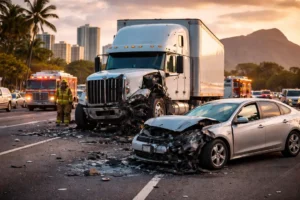
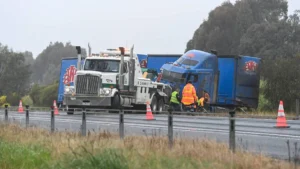
In many parts of Alaska, you may drive for long distances without nearby services or dependable cell phone coverage, which can leave you far from immediate help in the case of crashes or vehicle breakdowns. According to an Alaska car accident lawyer, delays in emergency response often result from limited road access and widely spaced infrastructure.
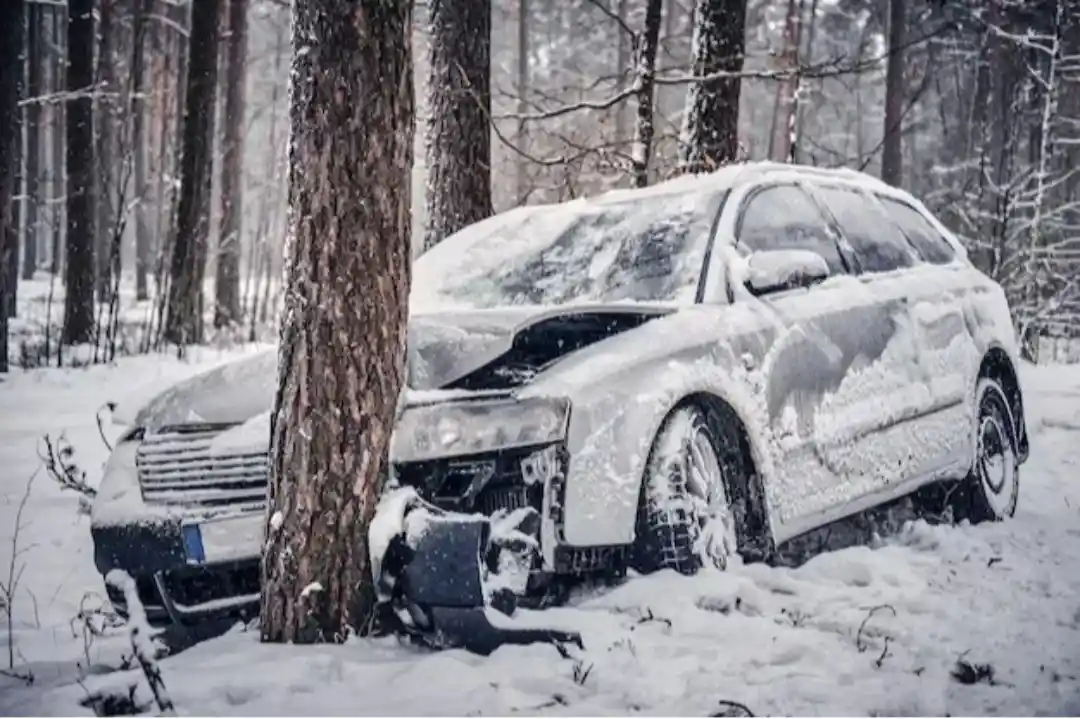
Winter conditions bring snow, ice, and sustained cold across much of the state, increasing the risk of skidding and loss of vehicle control. Seasonal factors such as spring sun glare and repeated freezing and thawing can also make road surfaces uneven and unpredictable, raising the likelihood of collisions.
Requirements for Reporting Crashes
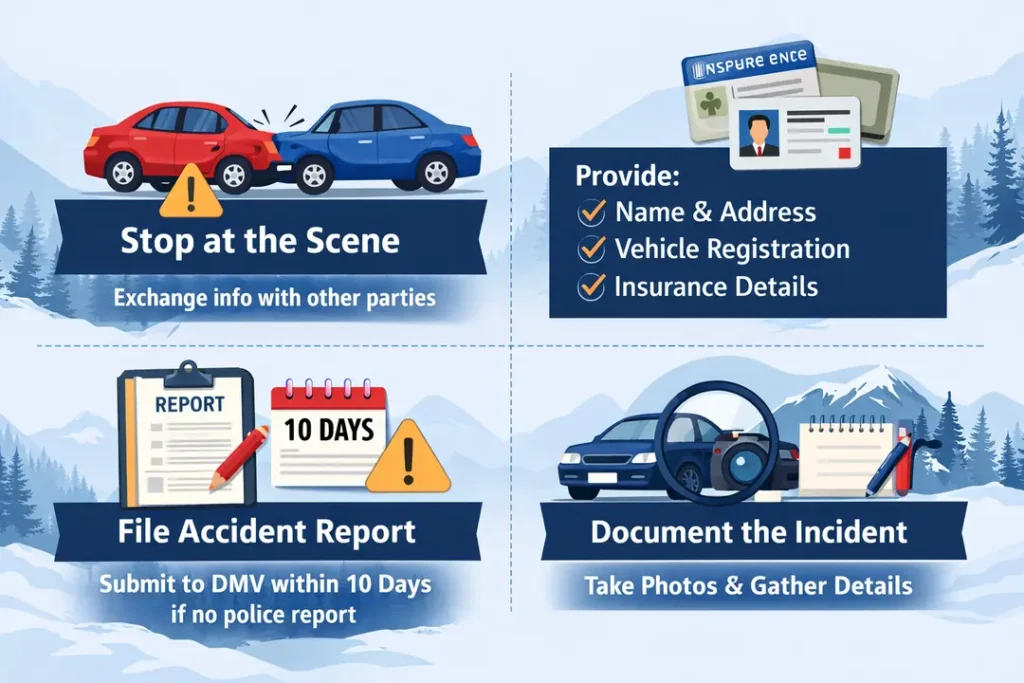
If you are involved in a collision in Alaska that results in injury, death, or property damage over a certain amount, you must stop and exchange information with other involved parties and any responding law enforcement, consistent with state rules outlined in reporting a car accident and legal requirements. This includes giving your name, address, vehicle registration, and insurance details.
You also must file a written accident report with the Alaska Division of Motor Vehicles within 10 days if law enforcement does not complete a report at the scene. These written reports are used by insurance companies and may influence future claims or disputes.
Fault Rules and Insurance Obligations
Alaska is an at-fault state for injuries caused by motor vehicle accidents, so generally the driver who caused the accident through careless or reckless behavior (i.e., negligence) pays for damages. Insurance companies determine fault by reviewing evidence such as police reports, witness statements, and property damage.
Also Read: The Importance of Police Reports in Personal Injury Cases
Alaska state law requires all drivers to carry a minimum level of insurance; driving without it can result in citations, loss of driving privileges, and out-of-pocket liability for damages. Insurance adjusters settle claims based on fault and policy limits, and disputes may arise over who is at fault.
Emergency Services and Distance Challenges
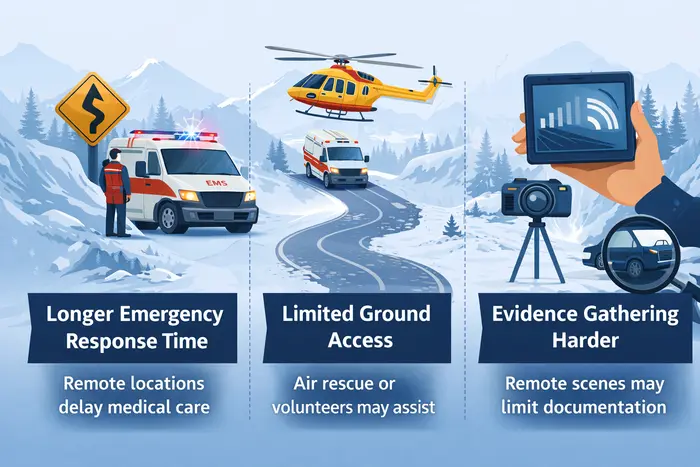
Many Alaska roads are remote, and emergency medical services often respond more slowly to crashes than in urban areas. When access by land is slow or blocked, some areas rely on search-and-rescue volunteers or air ambulances as first responders.
Beyond medical care, this distance has implications for evidence collection. Photos, measurements, and witness observations at an inaccessible scene may be incomplete, and obtaining later testimony from witnesses can become more challenging if they move or conditions change.
Wildlife and Road Hazards
In Alaska, vast wilderness covers much of the state, and nearly all roadways cross it, so crashes with large animals such as moose and caribou occur far more frequently than in other states. These animals can come out of nowhere, and, due to their size, a single strike can cause major vehicle damage and even human injury at relatively slow speeds.
Knowing this passion of wildlife, is has helped guide insurance adjustments and case evaluations because wildlife collisions tend to implicate far different classes of evidence and risk factors than auto-to-auto accidents.
Legal Timeframes and Filing Claims
If you plan to pursue compensation for injuries or damages after an accident, Alaska law requires filing most personal injury claims within two years from the date of the crash. Filing after this time generally means the court lacks authority to hear your claim, and you may lose the right to seek damages, a point often emphasized when lawyers try to maximize your injury claim.
Also Read: How a Car Accident Attorney Can Maximize Your Injury Claim
Insurance claims often have shorter deadlines than court filing limits, and submitting your claim promptly can improve the quality of documentation and evidence. Insurers may deny claims submitted late if you fail to follow the notice requirements outlined in your policy.
Law Enforcement, Documentation, and Evidence
Local police departments and the Alaska State Troopers investigate many serious collisions and prepare official reports that are often used in insurance and legal reviews. These reports typically include driver information, damage descriptions, witness information, and officer observations.
You can also gather your own documentation, such as photos, witness contact information, and notes on weather and road conditions. Detailed evidence supports accurate fault determinations when injuries are disputed or multiple parties are involved.
Safe Driving and Legal Awareness
Alaska’s combination of remote settings, weather challenges, wildlife interactions, and specific reporting laws creates conditions that differ from those of many other states. Awareness of your legal duties after a collision and of environmental factors that increase risk will help you act appropriately.