



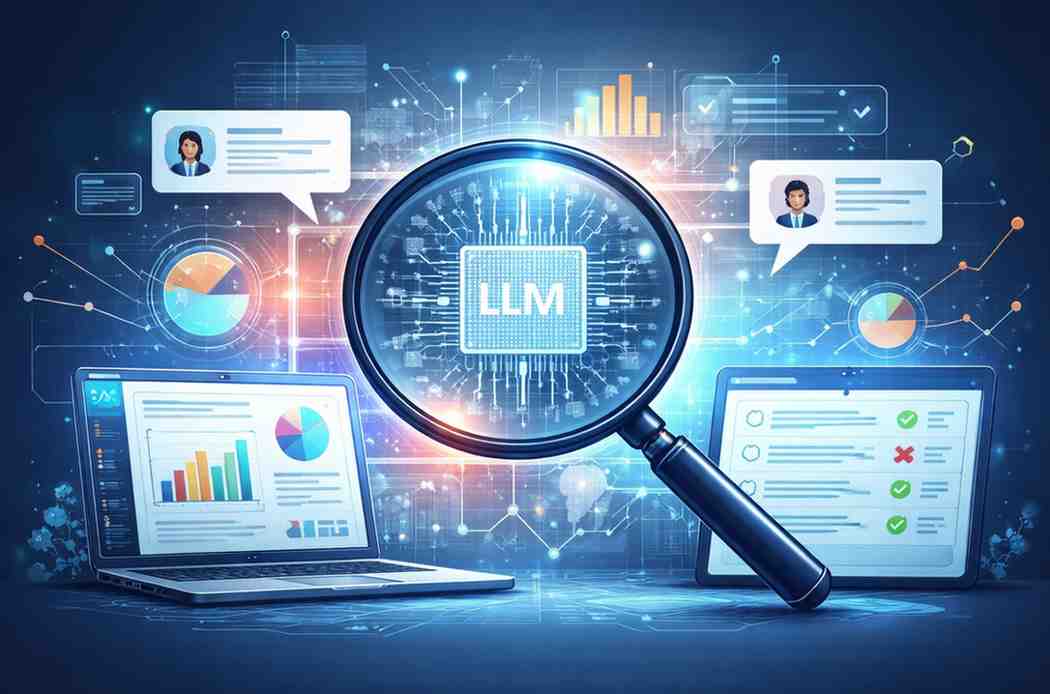
Artificial Intelligence (AI) is rapidly transforming how people search for and interact with information. With advancements in Large Language Models (LLMs) like ChatGPT, Perplexity, and Google AI Overviews, AI is now shaping the visibility of brands and webpages.
These systems don’t merely reflect traditional SEO rankings; they assess which content is deemed credible, comprehensive, and relevant enough to appear in AI-generated answers. Recent AI-driven search research indicates year-on-year growth of over 527% in AI search traffic, illustrating the swift expansion of this discovery layer.
For many marketers, deciphering why certain pages receive citations while others go unnoticed can be challenging. This is where an AI visibility tool becomes invaluable. By understanding these signals, you can improve the relevance of your content, ensuring better AI-era visibility and enhanced search performance.
Have questions about this story?
Ask Tundra for more details, context, or updates.
3 Key Insights an AI Visibility Tool Reveals About LLM Mentions
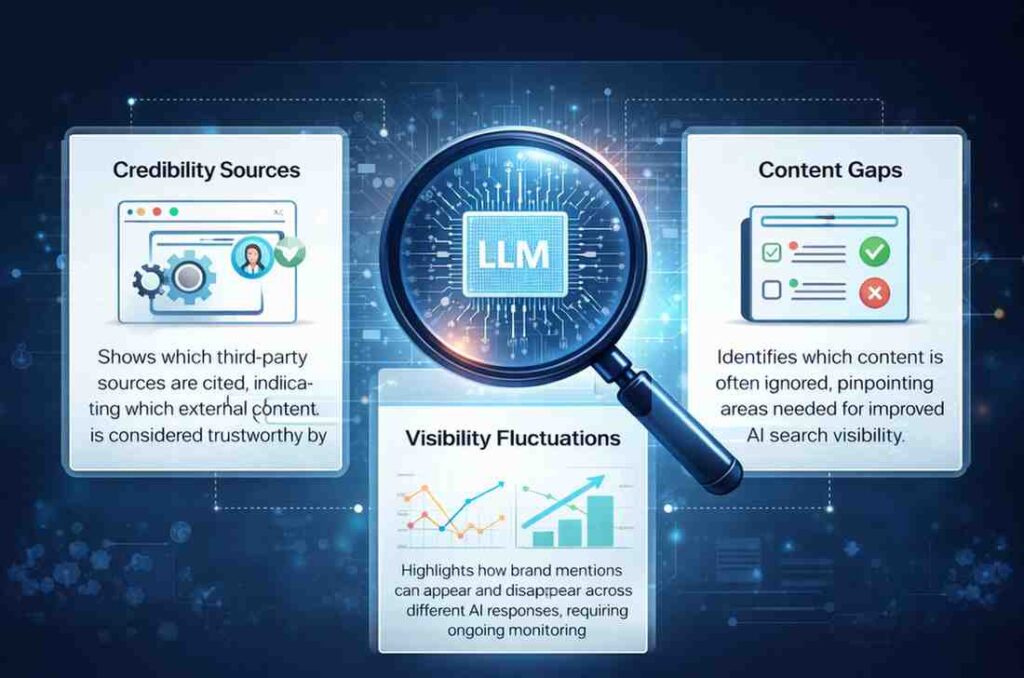
AI-driven mentions are rarely random. LLMs are trained to identify content that appears trustworthy and structured. An AI Insight tool makes that decision-making transparent. It shows which pages are cited, which ones are ignored, and how those patterns affect your overall brand presence in AI search results. Nearly 41% of consumers trust AI search results more than paid ads, underscoring the critical role AI-generated answers play in brand credibility and visibility.
- Impact of LLM Mentions on Brands
LLMs generate their answers by referencing thousands of web pages behind the scenes. Yet most brands have no visibility into which of their pages are used. Knowing this matters because every mention contributes to authority, trust, and future traffic.
Also Read: Why Some Web Pages Show Up Before Yours
An AI Monitoring Platform uncovers that information. It highlights the URLs and keywords that surface inside AI responses, helping you see which assets are gaining traction and which need improvement. When you know which pages AI tools mention, you can improve those pages, fix their structure, and add missing details so they get included more often.
- Spotting the Pages AI Relies On
Every AI-generated mention is a signal of trust. The AI Monitoring Platform lists the exact pages that LLMs cite for specific types of questions, whether they’re product descriptions, how-to guides, or factual summaries.
This feature gives marketers a clear picture of which content performs well across AI systems and which sections fail to appear. The same data also helps identify low-ranking or overlooked pages.
By improving clarity, tightening introductions, adding structured data, or linking related sections, you can turn these underperforming assets into AI-ready pages with stronger inclusion potential.
- Understanding AI’s Content Preferences and Keyword Visibility
An AI Analytics Dashboard doesn’t just reveal what’s cited, it explains why. Pages that frequently appear in AI answers share certain traits: concise explanations near the top, verified references, consistent formatting, and meaningful internal linking.
Recognizing these traits allows marketers to shape content that aligns with how LLMs evaluate authority. This section of the tool often includes competitor and keyword tracking. It highlights which rival pages are mentioned in definitions, comparisons, specifications, or instructions for your target queries and shows where your keywords appear in AI responses.
Because this visibility is tied to individual URLs, you get a keyword-by-keyword performance map that goes far deeper than conventional ranking dashboards. Together, these insights help you move from guessing what AI values to using your AI Monitoring Platform as a clear guide for smarter content decisions.
Turning AI-driven Insights Into a Practical Content Strategy
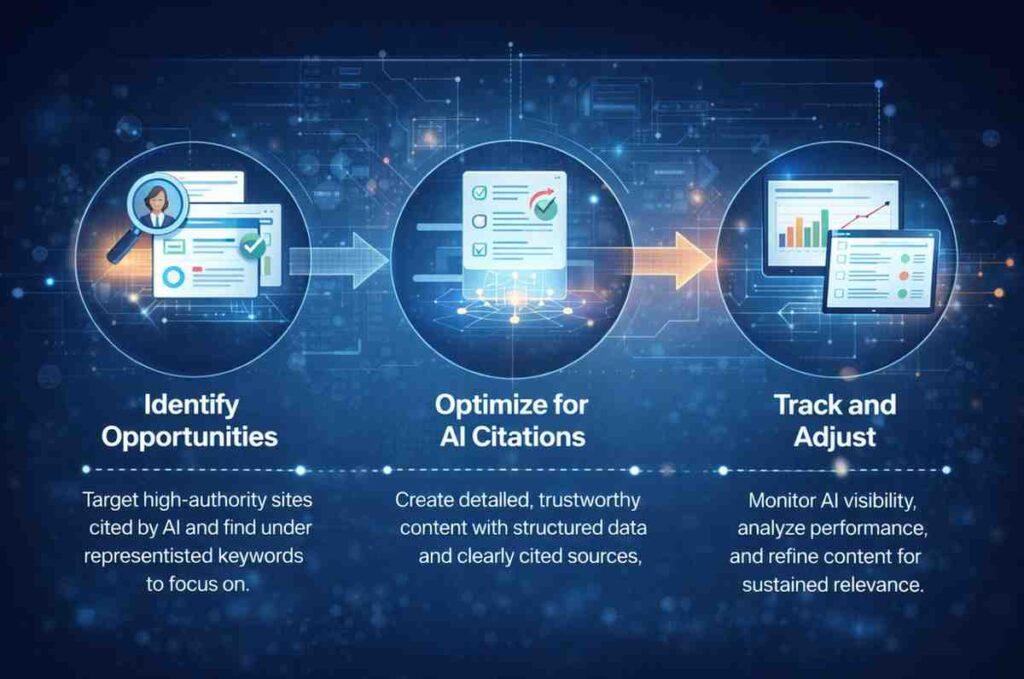
Visibility insights only create value when they lead to measurable change. Once you understand how AI interprets your site, you can refine content for AI-first discovery and track how each adjustment performs.
- Reshaping Pages for AI-first Discovery
Insights from an AI visibility tool guide structural changes to make pages more readable for AI systems. Start by placing direct, question-focused answers at the top. Break information into clear subheadings, add data or evidence to support claims, and reference credible sources when possible.
Internal linking also plays a key role. Connecting related articles helps LLMs see topical consistency across your domain. Over time, these refinements teach AI platforms to view your pages as cohesive, authoritative sources, improving the likelihood of future mentions.
- Measuring and Sustaining your AI Search Advantage
The work doesn’t stop after a single optimization. The AI Insight tool continually tracks changes in how often and where your pages appear across different AI systems. These insights show if your updates lead to higher citation frequency or improved positioning in generated summaries.
Another advantage lies in comparison. The tool lets you benchmark your inclusion rates against competitors. You can see which topics they dominate and where your content remains absent, giving you a roadmap for expansion. Over time, this transforms AI visibility from trial-and-error into a repeatable, data-driven practice built on measurable progress.
Together, these steps help you turn your AI Monitoring Platform into a long-term partner, guiding smarter content decisions and steady growth across AI-driven search.
Building a Stronger Presence in the AI-first Search Era
LLMs are now key influencers in how audiences discover information. Instead of relying solely on traditional rankings, brands must understand how AI interprets and references their content. An AI Insight tool like Tesseract by AdLift bridges that gap. It shows which pages earn trust, reveals what keeps others invisible, and highlights the patterns that shape AI citations.
With those insights, marketers can optimize for structure, clarity, and authority, the factors AI consistently rewards. As AI search continues to grow, decoding how machines mention your brand is no longer optional. Start using insights from an AI Insight tool to strengthen your content strategy and build a lasting presence in the next generation of search.